Introduction:
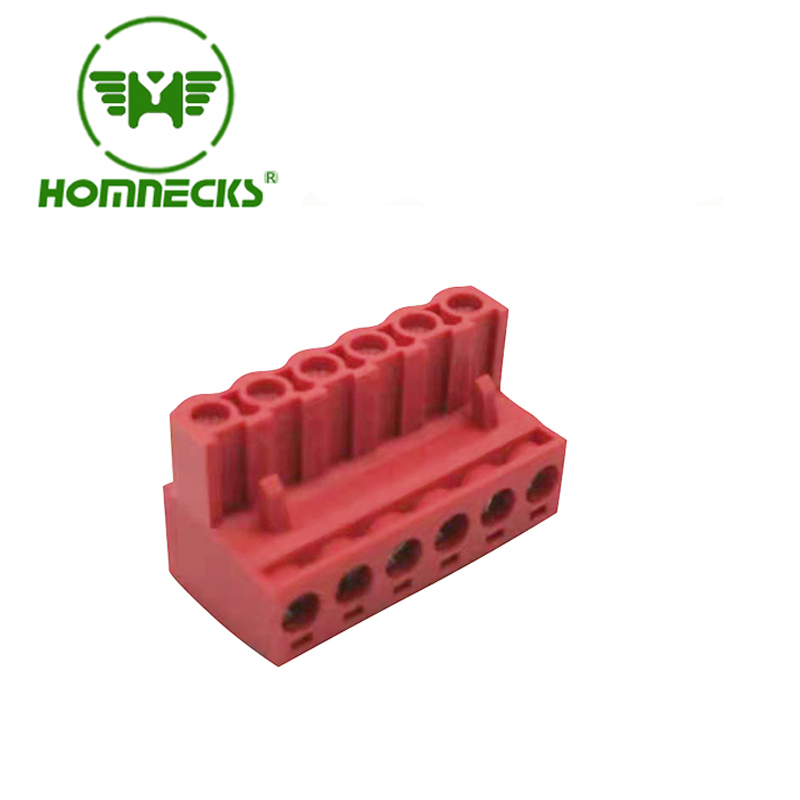
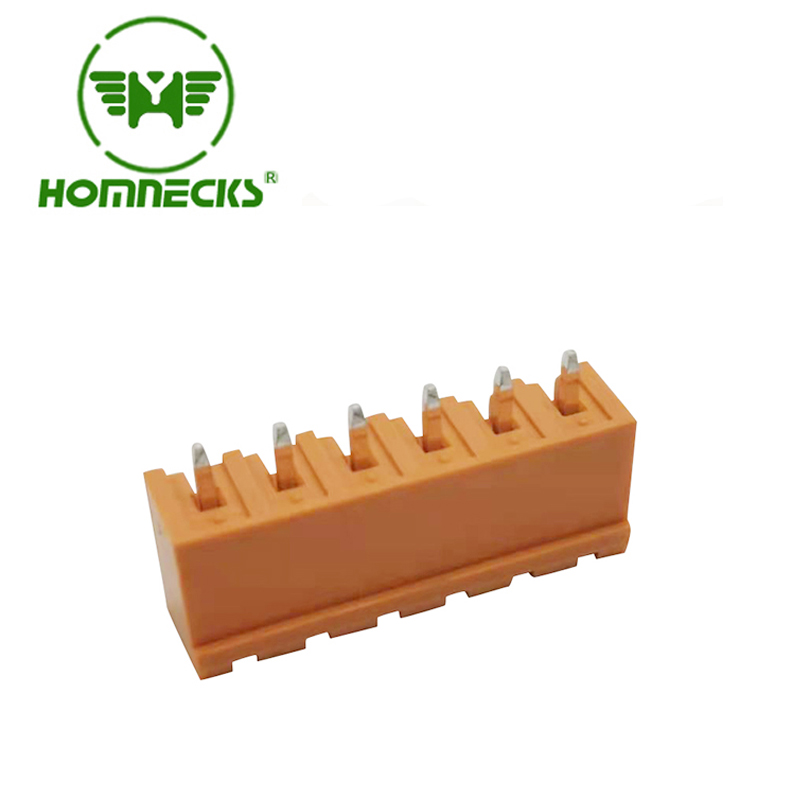
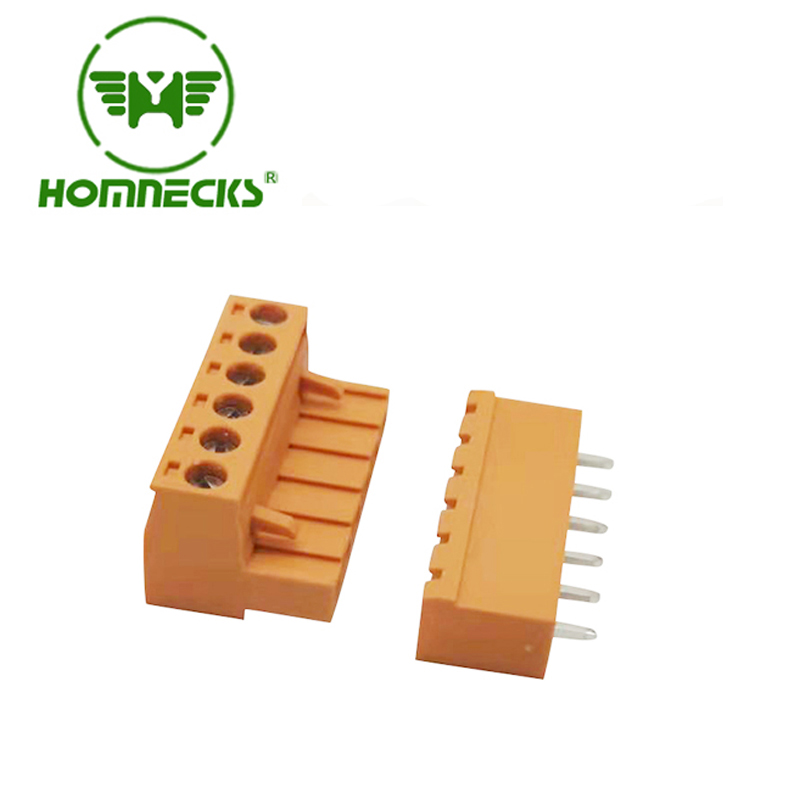
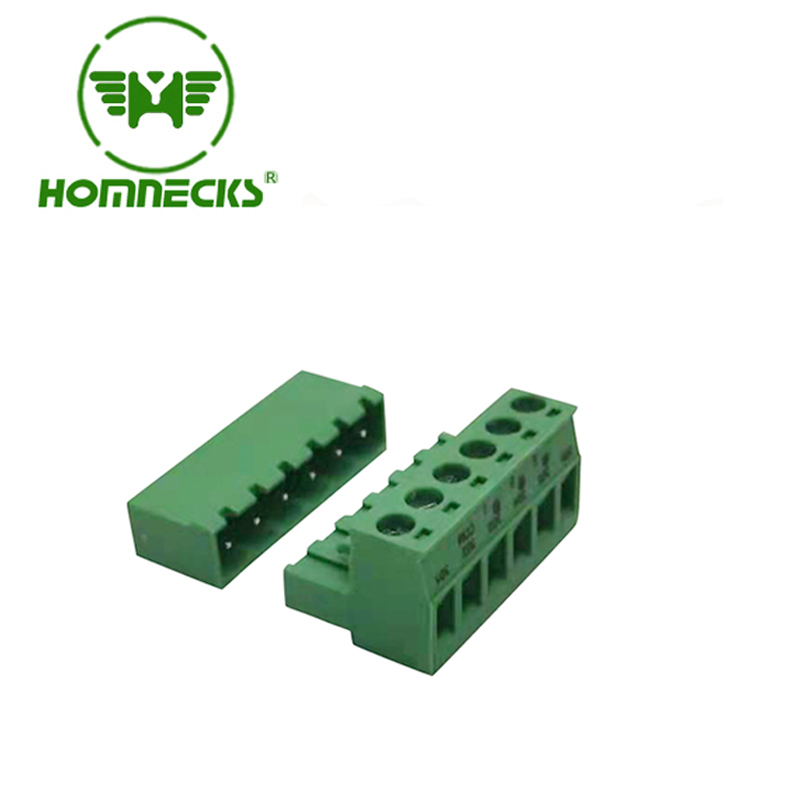
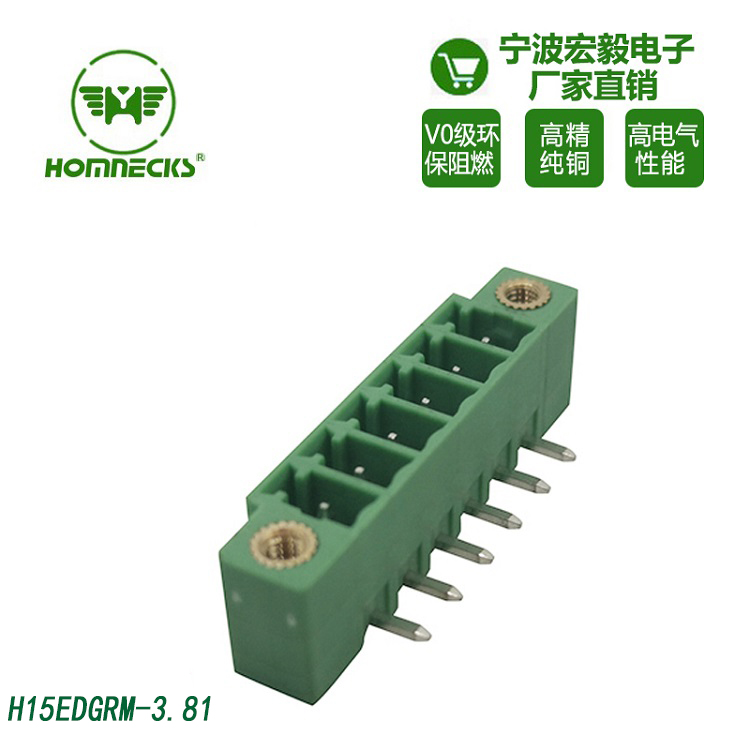
In modern electrical systems, the proper and secure connection of wires is vital for ensuring safe and efficient operations. One crucial component that facilitates these connections is the 6 pin terminal block. Designed to accommodate multiple wires, these terminal blocks offer various protective functions that enhance the reliability and safety of electrical installations. This article explores the protective capabilities of 6 pin terminal blocks and their significance in electrical applications.
Enhanced Connectivity with 6 Way Terminal Blocks:
6 pin terminal blocks, also known as 6 way terminal blocks, provide the ability to connect multiple wires within a single device. Whether it's in industrial machinery, automation systems, or electrical panels, these terminal blocks enable efficient and organized wire connections. The flexibility of the 6-way terminal block design allows for proper routing and management of wires, reducing the risk of short circuits and ensuring optimal electrical performance.
Secure Connections with 6 Pin Terminal Blocks:
The primary function of a terminal block is to establish reliable and secure connections between wires. 6 pin terminal blocks excel at this task by providing a robust interface for wire terminations. The secure clamping mechanism of the terminal block ensures that the wires are firmly held in place, preventing accidental disconnections and reducing the chances of electrical faults. Users can rely on the high-quality 6-pin terminal blocks, such as those offered by HOMNECKS, for dependable and durable connections.
Protection against Vibration and Mechanical Stress:
In various applications, electrical systems may be subjected to vibration and mechanical stress, which can impact the integrity of wire connections. 6-pin terminal blocks, designed with durability in mind, offer protection against these external factors. The sturdy construction and reliable clamping mechanism of these terminal blocks ensure that the wires remain securely connected, even in demanding environments. This feature enhances system stability and minimizes the risk of intermittent connections or failures.
Enhanced Safety Features of 6 Pin Terminal Blocks:
Safety is a top priority in electrical installations, and 6 pin terminal blocks contribute to this goal. With their insulating materials and design, these terminal blocks provide electrical insulation between the connected wires, reducing the risk of electrical hazards, such as short circuits or electrocution. Additionally, some 6pin terminal blocks may feature insulation barriers between adjacent pins, further enhancing safety by preventing accidental contact between wires.
Flexibility and Expandability with 8 Pin Terminal Blocks:
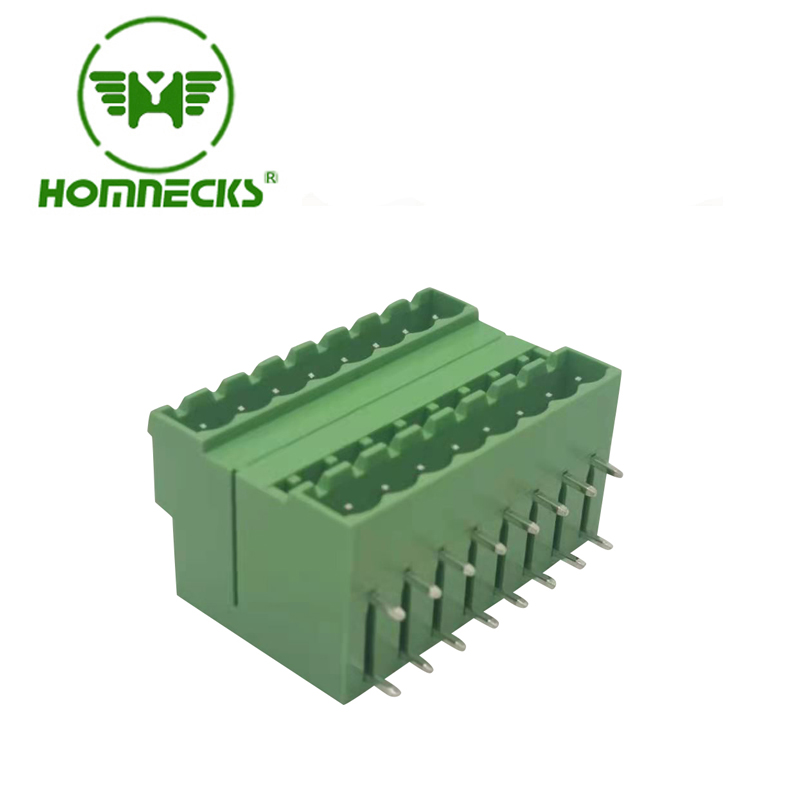
Although our focus is on 6 pin terminal blocks, it is worth noting that certain applications may require additional connections. In such cases, terminal block 8 pin offer expanded capabilities. These terminal blocks provide two extra pins for connecting additional wires, accommodating evolving needs in complex electrical systems. The 8 way terminal blocks offer the same protective functions and secure connections as their terminal block 6 way , with the added benefit of increased expandability.
In summary, 6 pin terminal blocks play a crucial role in electrical systems by providing essential protective functions for wire connections. With their enhanced connectivity, secure connections, protection against vibration and mechanical stress, and focus on safety, these terminal blocks ensure the reliability and stability of electrical installations. As a reputable manufacturer, HOMNECKS offers high-quality terminal block 6 pin and related products to meet industry demands. Invest in the protective capabilities of HOMNECKS' PCB terminal blocks to enhance the safety and efficiency of your electrical systems.
In the fast-evolving world of robotics, efficient and reliable connections play a crucial role in ensuring optimal performance. One innovative solution that has gained significant traction is the 4 way terminal block. With its advanced features and versatile applications, this compact connector is revolutionizing the way robots are controlled and managed. In this article, we will explore the benefits and emerging trends surrounding 4 way terminal blocks, providing valuable insights into their importance and impact in the robotics industry.
Understanding 4 Way Terminal Blocks
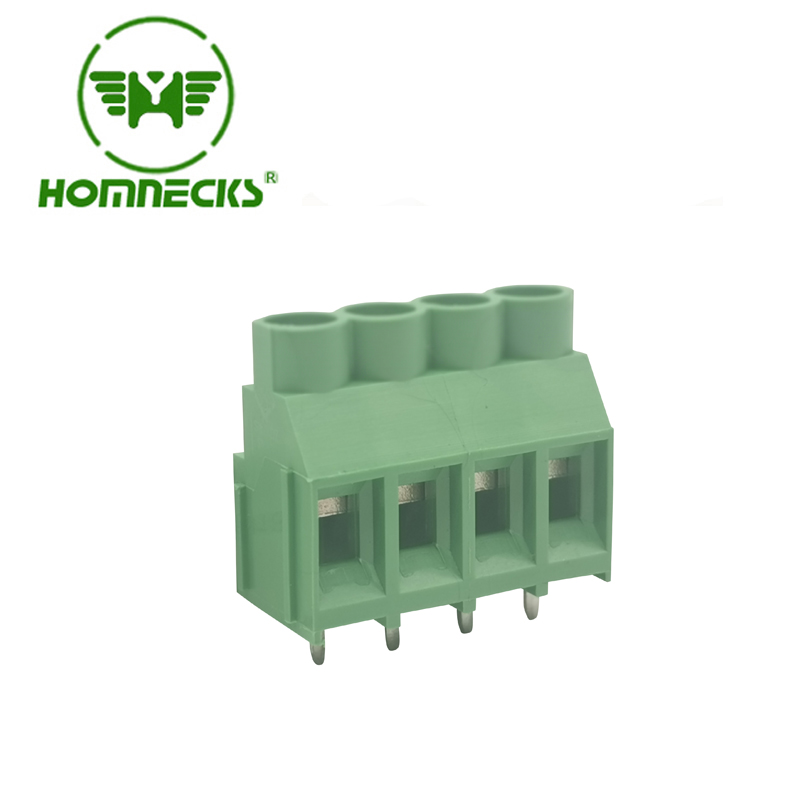
When it comes to establishing secure and efficient connections, the 4 way connector block stands out as a reliable solution. With its ability to connect up to 4 wires simultaneously, this versatile connector simplifies complex wiring setups, optimizing the overall system performance. Whether it's in industrial automation or robotic control systems, the terminal block 4 way streamlines connectivity, enhancing productivity and minimizing downtime.
Versatility and Flexibility of 4 Way Terminal Blocks
The adaptability of 6 pole terminal block is a key factor contributing to their growing popularity. These terminal blocks are available in various configurations, including different pin counts such as 6 pole and 6 pin terminal blocks. This flexibility allows engineers to customize their connection setups to meet specific requirements. Additionally, the compatibility with other terminal blocks, such as the 3 pin and terminal block 6 pole, enables seamless integration within existing systems.
Enhanced Performance and Reliability
With the rising demand for high-performance robotics, reliability is of paramount importance. 4 way terminal blocks excel in this area, offering stable connections that withstand demanding operating conditions. The secure wire-to-wire contact ensures excellent conductivity, minimizing signal loss and maximizing system efficiency. Furthermore, their durable construction and resistance to shocks and vibrations contribute to long-term reliability in critical applications.
Emerging Trends and Future Innovations
As technology progresses, the field of robotics continues to evolve at a rapid pace. In line with this, 6 pin terminal block are witnessing continuous advancements to meet the ever-changing industry demands. Manufacturers are investing in research and development to improve features such as compactness, higher pin counts, and enhanced conductivity. These innovations enable seamless integration of 6 pin terminal block in smaller, more sophisticated robotic systems, paving the way for next-generation automation.
Unrivaled Excellence in Connections
In the realm of terminal blocks, HONG YI-HOMNECKS+PCB TERMINAL BLOCK is a name synonymous with excellence. Combining years of industry experience with cutting-edge technology, their terminal blocks provide unmatched performance and reliability. Backed by rigorous quality control measures, HONG YI-HOMNECKS+PCB TERMINAL BLOCK ensures that their products deliver consistent results, meeting the highest standards of efficiency and durability. With their exceptional service and commitment to customer satisfaction, HONG YI-HOMNECKS+PCB TERMINAL BLOCK is the go-to choice for businesses seeking reliable and future-proof connection solutions.
In summary, 4 way terminal blocks offer a game-changing solution for optimizing connection efficiency in robotics applications. Their versatility, reliability, and compatibility with various pin configurations make them an indispensable component in modern control systems. As the industry continues to progress, it is imperative to stay updated with emerging trends and innovations, ensuring that your robotic systems are equipped with the latest advancements. Trusting a reputable brand like HONG YI-HOMNECKS+PCB TERMINAL BLOCK ensures that you're investing in high-quality products and services that will drive your robotic applications forward.
Introduction:
As technology continues to evolve, innovations in the field of electrical connections have become increasingly crucial. In this blog post, we will explore the latest advancements and future possibilities in 4 pin terminal blocks. These versatile connectors play a crucial role in various industries, offering reliable and secure connections for diverse applications. We will delve into the benefits and characteristics of 4 pin terminal blocks, including the 3 pin screw terminal, 3 position terminal block, 4 pin terminal, 4 pin terminal block, terminal block 4 pin, and the 4 pin terminal block connector.
Enhanced Versatility with the 3 Pin Screw Terminal:
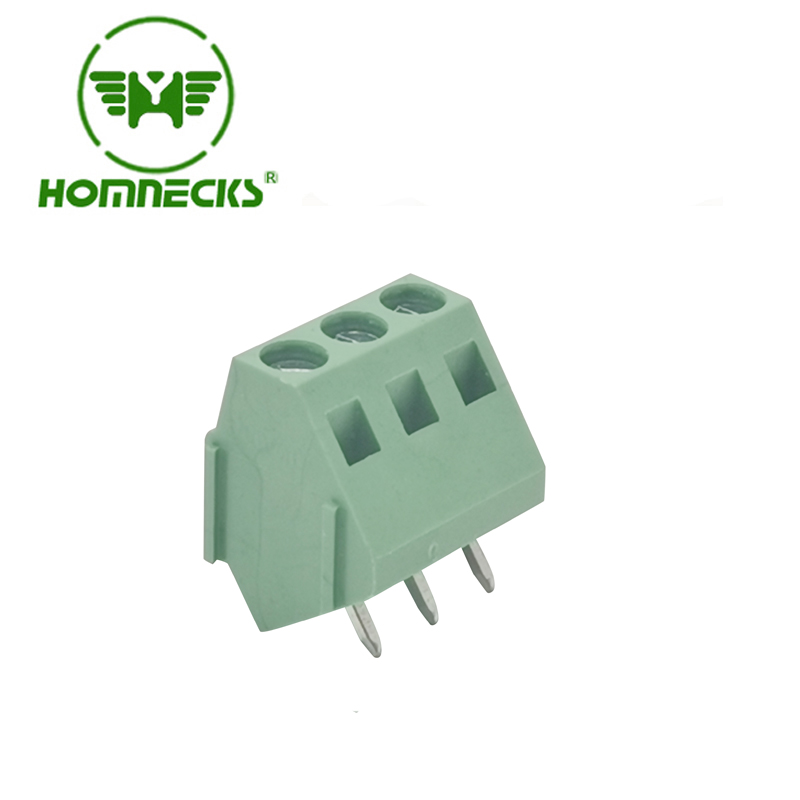
The 3 pin screw terminal is a fundamental component of the 4 pin terminal block. Its design ensures easy and secure connections, making it a preferred choice for many industries. Whether you are working on industrial automation or robotics applications, the 3 pin screw terminal provides reliable and efficient electrical connections, enabling seamless integration and operation.
Precise and Convenient Wiring with the 3 Position Terminal Block:
In applications requiring multiple connections, the 3-position terminal block shines. With its compact design and clear labeling, it simplifies the wiring process and prevents potential mistakes. The 3 position terminal block offers flexibility while maintaining a high level of accuracy, making it an ideal solution for control systems, sensor connections, and other complex setups.
Power and Reliability with the 4 Pin Terminal:
The 4 pin terminal serves as the backbone of the terminal block, delivering power and stability. Its robust construction ensures long-lasting performance in challenging environments. Capable of handling high currents and voltages, the 4 pin terminal remains a key component in various industries, including automotive, renewable energy, and machinery.
Secure Connections with the 4 Pin Terminal Block:
The 4 pin terminal block combines the convenience of screw-type connectors with the reliability of a terminal block. It offers a secure and vibration-resistant connection, minimizing the risk of disconnection or signal loss. With its compact size and versatile design, the 4 pin terminal block facilitates efficient wiring in applications ranging from control panels to lighting fixtures.
Optimal PCB Integration with Terminal Block 4 Pin:
PCB terminal blocks have revolutionized the electronics industry, and the 4 pin terminal block is no exception. With its PCB mountable design, it enables seamless integration onto circuit boards, saving space and reducing assembly time. The terminal block 4 pin ensures reliable connectivity between PCBs and external components, providing a cost-effective solution for manufacturers.
Seamless Connectivity with the 4 Pin Terminal Block Connector:
The 4 pin terminal block connector serves as the bridge between different devices and modules. Its plug-and-play functionality allows for quick and hassle-free installation. By providing a secure and standardized connection, the connector facilitates efficient communication and interoperability. It is a vital component in applications such as robotics, automation, and IoT systems.
In the rapidly evolving landscape of electrical connections, HONG YI-HOMNECKS+PCB Terminal Block emerges as a market leader. Their commitment to innovation, advanced technologies, and exceptional service sets them apart. With their comprehensive range of 4 pin terminal blocks, including the 3 pin screw terminal, 3 position terminal block, 4 pin terminal, 4 pin terminal block, terminal block 4 pin, and the 4 pin terminal block connector, HONG YI-HOMNECKS+PCB Terminal Block continues to provide industry-leading solutions that deliver reliable connections and meet the evolving demands of the market.
In modern industrial applications, servo control systems play a crucial role in precise motion control. To ensure the seamless operation of these systems, the proper wiring and connection of components are essential. One vital component that facilitates reliable and efficient connections is the 2 pole terminal block. In this article, we will explore the significance of 3 pin terminal block and their role in safeguarding the smooth operation of servo control systems.
A 2 pole terminal block acts as a bridge between the control system and various devices, enabling secure and dependable electrical connections. It provides the necessary interface for power transfer, signal transmission, and control within the servo control system. Whether it is connecting motors, sensors, or other components, 2 pin screw connector ensures optimal performance and minimizes the risk of signal loss or disconnection.
The adaptability of a terminal block 2 pole makes it suitable for a wide range of applications. With its design supporting screw connectors, 2 pin screw terminal provides a secure and stable connection, ensuring the integrity of the electrical circuit. Additionally, the inclusion of 2 poles enables the connection of multiple devices or circuits, enhancing flexibility in system configuration and expansion.
Terminal blocks play a vital role in simplifying wiring and installation processes, reducing downtime and improving efficiency. In the case of 2 way terminal block , their user-friendly design and intuitive connection interface make installation quick and hassle-free. The secure screw terminals ensure reliable connections even in demanding industrial environments, preventing the risk of loose or disconnected wires.
When it comes to high-quality 2 pole terminal blocks, HONG YI-HOMNECKS stands out as a reliable manufacturer and supplier. Their extensive range of PCB terminal blocks, including 3 pin terminal blocks and 2 pole terminal blocks, ensures seamless connectivity in servo control systems. With a commitment to providing superior products, HONG YI-HOMNECKS offers durable and reliable solutions that guarantee the smooth operation of your applications.
In summary, 2 pole terminal blocks play a vital role in ensuring the smooth operation of servo control systems. Their versatility, reliability, and ease of installation make them an indispensable component for establishing secure electrical connections. When looking for trusted solutions, HONG YI-HOMNECKS+PCB Terminal Blocks provide effective and reliable options backed by their commitment to quality and service.
Introduction:
In today's rapidly evolving technological landscape, the demand for efficient and reliable electrical connections continues to grow. One product that plays a crucial role in various industries is the 3 way terminal block. Designed to facilitate secure and organized terminal 3 pin, these terminal blocks offer immense potential in ensuring smooth operations for various applications. This article delves into the market prospects and benefits of 3 way terminal blocks.
Versatile Applications of 3 Way Terminal Blocks:
3 way terminal blocks find extensive applications in industries such as automation, machinery, and electrical systems. With their capability to accommodate multiple connections, terminal block 3 pin provide a reliable solution for complex wiring setups. Whether it's connecting sensors, actuators, or control devices, the versatility of 3 pin screw terminal block connector makes them essential components in today's advanced systems. Manufacturers like HONG YI-HOMNECKS cater to diverse industrial needs by offering a range of high-quality terminal block options, including 3-pin variants.
Enhanced Connectivity with 3 Pin Screw Terminal Block Connectors:
The integration of screw terminal block connectors simplifies the installation and maintenance processes of 3 way terminal blocks. By utilizing screw-based connections, these terminal blocks ensure secure and vibration-resistant electrical contacts. The 3 pin screw terminal block connectors provide a reliable and stable interface, minimizing the risk of loose connections and electrical faults. Users can trust HONG YI-HOMNECKS' expertise in providing top-notch terminal block connector 3 pin connectors for seamless connectivity.
Streamlined Wiring with 3 Pin Terminal Block Connectors:
Terminal block connectors with 3 pins bring efficiency and convenience to wiring tasks. By offering a compact and organized solution for connecting multiple wires, these terminal blocks eliminate the messiness of individual wire connections. The design of 3 pin terminal block connectors enables easy identification and routing of wires, saving time during installation and future maintenance. HONG YI-HOMNECKS, a leading manufacturer and supplier in the industry, delivers high-quality 3 pin terminal block connectors for hassle-free wiring solutions.
Increased Reliability of 3 Way Terminal Blocks:
The reliability of electrical systems heavily depends on the quality of terminal blocks used. 3 way terminal blocks offer exceptional durability, ensuring long-lasting performance in demanding environments. With features such as corrosion-resistant materials and robust construction, these terminal blocks provide a secure and stable connection, even in harsh conditions. HONG YI-HOMNECKS, renowned for its commitment to quality, ensures that their 3 way terminal blocks meet industry standards, enhancing system reliability and minimizing downtime.
Future Market Trends and Opportunities:
The market for 3 way terminal blocks is poised for significant growth as industries continue to demand reliable and efficient electrical connections. Rapid advancements in automation, smart devices, and renewable energy systems fuel the need for innovative terminal block solutions. Manufacturers like HONG YI-HOMNECKS, with their dedication to research and development, are at the forefront of introducing advanced 3-way terminal block technologies and expanding their product offerings. As the industry evolves, the demand for versatile, high-quality, and feature-rich 3 way terminal blocks is expected to soar.
The market outlook for 3 way terminal blocks is immensely promising due to their versatile applications and significant benefits in electrical connectivity. With the convenience of 3 pin screw terminal block connectors and the seamless wiring facilitated by 3 pin terminal block connectors, these components are crucial for ensuring reliable and efficient electrical connections. As the market continues to evolve, HONG YI-HOMNECKS, a trusted terminal block manufacturer and supplier, remains committed to meeting industry demands through their premium range of 3 way terminal blocks and associated connectors, solidifying their position as a leader in the field.
When it comes to electrical connections in PCB boards, using the right terminal blocks is crucial for ensuring reliable and safe performance. In this article, we will explore the importance of proper wiring techniques for PCB board terminal blocks and how they contribute to efficient and effective electrical connections. Let's delve into the details.
Choosing the Right Terminal Connector:
The selection of an appropriate terminal connector is essential for achieving optimal performance. The 2-pin terminal connector provides a reliable and secure connection for low-power applications. Similarly, the 2-pin screw terminal connector offers the advantage of easy installation and maintenance. It ensures a solid and stable connection, preventing any signal loss or disruption.
Ensuring a Secure Connection:
When dealing with PCB board terminal blocks, it is crucial to establish a secure connection. The 2-pin screw terminal block connector allows for a tight and precise connection, reducing the risk of loose or weak connections. This ensures the efficient flow of signals between components and minimizes potential signal interference.
Enhanced Safety with Barrier Terminal Blocks:
For applications that require higher safety measures, the PCB barrier terminal block comes into play. It offers additional insulation and protection, reducing the risk of short circuits and accidental contact. With its design, the barrier terminal block prevents damage to the conductors and minimizes the chances of electrical hazards.
Effective Wiring with 3-Pole Terminal Blocks:
In scenarios where multiple connections are necessary, the 3-pole terminal block becomes essential. It provides a convenient solution for connecting three conductors together, ensuring a neat and organized wiring arrangement. The 3-pole terminal block simplifies the installation process and enables efficient power distribution and control within the PCB board.
The Advantages of HONG YI-HOMNECKS+PCB Terminal Blocks:
Recognized as a leading manufacturer and supplier of high-quality terminal blocks, HONG YI-HOMNECKS ensures exceptional performance and reliability. Their PCB terminal blocks offer superior conductivity, durability, and optimal signal transfer. With a wide range of options, including 2-pin and 3-pole terminal blocks, they cater to various application requirements.
HONG YI-HOMNECKS' Commitment to Exceptional Service:
In addition to their top-notch products, HONG YI-HOMNECKS prioritizes customer satisfaction and provides excellent service. Their team of experts is dedicated to assisting customers in selecting the right terminal blocks for their specific needs. With HONG YI-HOMNECKS, you can expect timely support, technical guidance, and reliable solutions that ensure successful project outcomes.
Properly wiring PCB board terminal blocks is essential for achieving efficient signal transmission and maintaining a secure electrical connection. By choosing the right terminal connector, implementing secure connections, and utilizing appropriate terminal blocks like 2-pin screw terminal connectors, barrier terminal blocks, and 3-pole terminal blocks, you can ensure optimal performance and safety. For high-quality terminal blocks and exceptional service, trust HONG YI-HOMNECKS+PCB Terminal Blocks to meet your requirements with precision and reliability.
Robots have become an integral part of various industries, revolutionizing manufacturing processes and increasing efficiency. Behind the scenes, sophisticated robot control systems ensure smooth operation and accurate execution of tasks. One crucial component in these systems is the pluggable terminal block, which plays a vital role in providing reliable connections. In this article, we will explore the applications of pluggable terminal blocks in robot controllers.
Terminal blocks are a fundamental part of any electrical system, including robot controllers. Specifically, the 3-pole terminal block offers a versatile solution for connecting multiple devices within the control panel. Its design allows for the effortless connection of wires, enabling secure and efficient power distribution. By utilizing 3-pole terminal blocks in robot controllers, engineers can streamline wiring and optimize the overall control system.
Screw type terminal blocks are widely used in robot control systems due to their robust and reliable nature. These blocks feature a screw mechanism, ensuring a strong connection between wires and terminals. This mechanism also enables easy installation and maintenance, reducing downtime. The availability of various sizes and configurations of screw type terminal blocks makes them suitable for diverse robot controller applications, offering flexibility and adaptability.
In complex robot control systems, the need for modular and expandable solutions is paramount. This is where screw terminal block connectors come into play. These connectors provide an additional layer of flexibility by allowing quick and secure connections between different modules or subsystems. By utilizing screw terminal block connectors, engineers can easily integrate or replace components, simplifying maintenance and reducing system downtime.
Printed Circuit Boards (PCBs) are an integral part of robot control systems, serving as the nerve center for signal and power distribution. PCB terminal blocks offer a reliable and space-efficient solution for connecting wires to PCBs. These terminal blocks feature a compact design, allowing for high-density PCB layouts without compromising on functionality. The ease of installation and secure connections provided by PCB terminal blocks make them a preferred choice in robot controller design.
When it comes to PCB connections in robot controllers, PCB terminal connectors play a crucial role. These connectors allow for the quick and secure connection of wires to the PCB, facilitating efficient signal transmission and power distribution. With their compact design and reliable performance, PCB terminal connectors ensure the stability and integrity of the robot control system, enabling precise and error-free operation.
In addition to traditional PCB terminal blocks, PCB pin terminals offer a unique solution for specific robot controller applications. These terminals feature a pin design that directly interfaces with PCBs, eliminating the need for additional terminal blocks or connectors. PCB pin terminals provide a secure and space-saving connection solution, making them ideal for compact robot control systems where minimizing size and weight is crucial.
In conclusion, pluggable terminal blocks are essential components in robot control systems, providing reliable and efficient connections. The 3-pole terminal block, screw type terminal blocks, screw terminal block connectors, PCB terminal blocks, PCB terminal connectors, and PCB pin terminals all play vital roles in ensuring seamless operation and flexibility within the control panel. When it comes to these products' manufacturers, HONG YI-HOMNECKS+PCB TERMINAL BLOCK stands out for its exceptional product quality, durability, and extensive range of offerings. Moreover, the company's commitment to excellent customer service and technical support makes HONG YI-HOMNECKS the ideal choice for seamless integration of terminal block solutions into robot control systems.
Electrical control cabinets rely on stable, safe, and maintainable wiring connections. Every terminal choice directly impacts panel reliability, on-site troubleshooting, and long-term equipment uptime.
Most procurement and panel engineers focus on current ratings and dimensions only. They often overlook the structural advantages of barrier terminal blocks in harsh industrial environments.
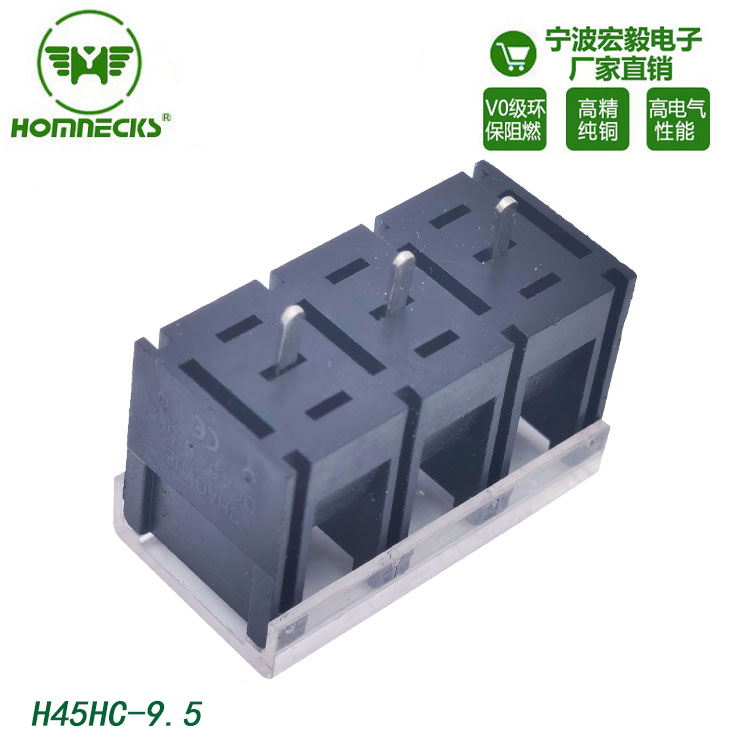
Unlike standard terminal blocks, barrier-type units feature independent plastic partitions between each terminal position. This simple structural difference solves many common on-site wiring faults. It also reduces hidden risks for control panels operating for years.
What Are Barrier Terminal Blocks in Panel Wiring?
Barrier terminal blocks are insulated connection components with vertical isolation walls between adjacent circuits. Each terminal sits in an independent groove.
From on-site engineering experience, these blocks are not for basic signal wiring. They target high-current power loops, motor control circuits, and mains input terminals inside control cabinets.
The built-in barriers physically block wire displacement and conductor contact. This improves creepage distance and clearance, two core safety indicators for industrial low-voltage panels.
Barrier Terminal Blocks vs Standard Terminal Blocks: Core Differences
Many panel faults stem from negligible wiring gaps and vibration-induced wire drift. The table below compares barrier terminal blocks and ordinary non-barrier terminal blocks in actual cabinet application scenarios.
Evaluation Dimension
Barrier Terminal Blocks
Standard Non-Barrier Terminal Blocks
Isolation Structure
Independent plastic barrier for each terminal; complete physical circuit isolation
No partition between terminals; circuits rely only on wire harness arrangement for isolation
Short Circuit Risk
Extremely low. Barriers block loose strands and displaced wires
High under vibration. Loose copper strands easily cross adjacent terminals
Vibration Resistance
Excellent. Barriers limit wire shaking offset; fits motor and production line cabinet environments
Average. Long-term vibration causes wire drift and hidden short faults
Safety Margin
Large creepage and clearance distance; compliant with industrial high-voltage safety standards
Limited safety margin; prone to arcing under high current and humidity
Maintenance Difficulty
Low. Single-circuit wiring does not affect adjacent lines during inspection and replacement
High. Wire bundles are crowded; easy to touch neighboring wires during operation
Typical Application
Mains input, high-current power distribution, motor control loops
Low-current signal lines, communication wiring, low-power auxiliary circuits
Barrier Terminal Blocks vs DIN Rail Terminal Blocks: Selection Guide for Engineers
DIN rail blocks dominate cabinet wiring, but barrier blocks show irreplaceable value in specific high-reliability scenarios. The following comparison helps procurement engineers make cost-effective model selections.
Parameter
Barrier Terminal Blocks
DIN Rail Terminal Blocks
Mounting Method
Panel surface mounting
DIN rail mounting
Current/Voltage Adaptation
Excellent for 250–600V high-current power circuits
Suitable for most low-voltage control and signal circuits
Wiring Density
Moderate pitch, prioritizes safety over density
High density, saves cabinet space
On-Site Stability
Strong anti-vibration, anti-displacement performance
Stable for static cabinets; weaker for long-term vibration scenarios
Service Life
Long lifespan, resistant to high temperature and dust erosion
Standard lifespan, suitable for conventional indoor environments
Cost Positioning
Medium cost, high safety return
Low to medium cost, cost-effective for universal use
4 Key Practical Values of Barrier Terminal Blocks in Control Cabinets
1. Eliminate Vibration-Induced Hidden Faults
Most on-site panel short faults do not come from product quality problems. They occur from tiny wire offset caused by long-term equipment vibration.
Production line machinery, fans, and motors generate continuous vibration. Ordinary terminal block wires gradually shift. Fine copper strands may contact adjacent circuits, causing instantaneous short circuits and equipment shutdown.
Barrier terminal blocks fix this problem physically. Isolation walls limit wire shaking range. Even with slightly loose screws, wires cannot cross adjacent terminals.
2. Improve Panel Safety Margin for Harsh Environments
Factory humidity, dust, and temperature changes reduce insulation performance between terminals. Narrow gaps of standard blocks easily accumulate dust and moisture, leading to creepage and arcing.
Barrier blocks extend insulation distance. They effectively avoid surface discharge under high humidity and high temperature. For outdoor cabinets and workshop equipment, this greatly reduces fire and burnout risks.
3. Simplify On-Site Maintenance and Upgrades
During annual inspection and circuit modification, engineers often need to disconnect single loops. Standard terminal blocks have dense wiring. One wire misoperation may scratch adjacent lines or cause accidental contact.
Independent barrier grooves achieve single-circuit independent operation. Maintenance personnel can replace and test target wires safely without affecting other normal circuits.
4. Standardize Wiring and Improve Panel Grade
For OEM equipment and automated production lines, standardized wiring directly affects product competitiveness. Barrier blocks arrange wires neatly. They avoid messy crossing of power and signal lines.
From project delivery experience, panels using barrier blocks for power circuits have lower after-sales failure rates. They pass customer factory safety audits more easily.
FAQ
Q1: Are barrier terminal blocks required for every circuit inside the control cabinet?
A: No. They are overkill for low-current signal wiring and static indoor cabinets with stable ambient conditions.
We recommend barrier terminal blocks for mains input points, high-current distribution circuits, motor control loops, and cabinets mounted on vibrating machinery. Match terminal types by circuit function to balance safety and total project cost.
Q2: What is the main failure risk barrier terminal blocks prevent that standard terminals cannot?
A: The biggest hidden risk is stray copper strands and shifted conductors touching neighboring terminals.
Field technicians often see loose wire strands escaping from stripped cable ends. Vibration slowly pushes these fine copper pieces across terminal gaps. Standard terminals have no physical stop. Barrier walls block this cross-contact, stopping intermittent short circuits before they trigger unexpected machine stops.
Q3: Can I replace DIN rail terminal blocks with barrier terminal blocks directly in existing cabinet designs?
A: Not always. Mounting style is the main constraint.
Barrier terminal blocks are usually panel-mounted, while standard DIN rail terminals clip onto DIN rails. You will need to reserve flat panel space and adjust your BOM. For retrofits, keep DIN rail terminals for signal circuits. Swap only high-power, vibration-prone circuits to barrier blocks for best ROI.
Screw terminal blocks play a crucial role in automation applications, providing a reliable and secure method for connecting and controlling electrical signals. These versatile components offer a wide range of sizes to accommodate various wire diameters, ensuring efficient and stable connections. In this article, we will explore the significance of screw terminal blocks and their impact on automation systems. Additionally, we will highlight the advantages of HONG YI-HOMNECKS+PCB TERMINAL BLOCK, emphasizing both the product excellence and exceptional services provided by HONG YI-HOMNECKS.
One of the vital aspects of automation systems is effective electrical connectivity. The 5.08 mm terminal block, 5.0 mm terminal block, 3.81 mm terminal block, 3.5 mm terminal block, 7.5 mm terminal block, and 7.62 mm terminal block offer multiple options for securing wires and establishing connections. These terminal blocks are specifically designed to handle the demands of automation applications, providing a reliable and efficient solution for signal transmission.
The 5.08 mm terminal block, with its standardized pitch size, is widely used in automation setups. Its robust design ensures secure connections, making it ideal for controlling and distributing signals within the system. Whether it's connecting sensors, actuators, or power sources, the 5.08 mm terminal block offers a convenient solution with superior electrical performance.
Automation applications often require compact and space-efficient solutions. The 3.81 mm terminal block and 3.5 mm terminal block come into play in such scenarios. These compact terminal blocks are suitable for applications where space is at a premium, allowing for dense wiring connections without compromising functionality or reliability.
For high-power automation systems, the 7.5 mm terminal block and 7.62 mm terminal block offer robust and durable solutions. These terminal blocks can handle higher currents and voltages, making them suitable for demanding applications like motor control, industrial automation, and power distribution. Their sturdy construction ensures stable connections, minimizing the risk of electrical failures.
Screw terminal blocks, such as the 5.08 mm terminal block, 5.0 mm terminal block, 3.81 mm terminal block, 3.5 mm terminal block, 7.5 mm terminal block, and 7.62 mm terminal block, play a pivotal role in automation applications. They provide secure and reliable connections for controlling signals in automated systems. When it comes to sourcing high-quality terminal blocks, HONG YI-HOMNECKS+PCB TERMINAL BLOCK stands out as a leading manufacturer and supplier. Their products offer exceptional performance, ensuring optimal signal transmission and system reliability. Coupled with their outstanding customer service and commitment to excellence, HONG YI-HOMNECKS is the go-to choice for all your terminal block needs.
In today's rapidly advancing technology landscape, the reliable transmission of signals is crucial for various electronic applications. One key component that plays a vital role in signal connection control is the pluggable terminal block. The proper coordination between plug and pin in these connectors ensures secure and efficient signal transmission. In this blog post, we will explore the significance of pluggable terminal block connectors and how they contribute to seamless signal connectivity. Let's delve into the details.
Understanding the Versatility of PCB Screw ConnectorWhen it comes to PCB-based applications, the PCB screw connector, also known as a terminal block, offers exceptional functionality. With its screw-type design, it provides a secure and durable connection. The 5.08 mm pitch connector, a widely used variant, offers convenient wiring options with its standardized spacing. Manufacturers and suppliers, such as HONG YI-HOMNECKS, ensure high-quality terminal blocks that meet the industry's requirements for superior performance.
The Benefits of Green Terminal Blocks for Sustainable SolutionsIn today's environmentally conscious world, the demand for sustainable solutions is ever-increasing. Green terminal blocks, designed with eco-friendly materials, offer an ideal choice for applications that prioritize sustainability. Their reliable performance, coupled with their eco-conscious design, make them a preferred option for various low voltage applications. Manufacturers like HONG YI-HOMNECKS take pride in producing green terminal blocks that provide excellent electrical connectivity while embracing environmental responsibility.
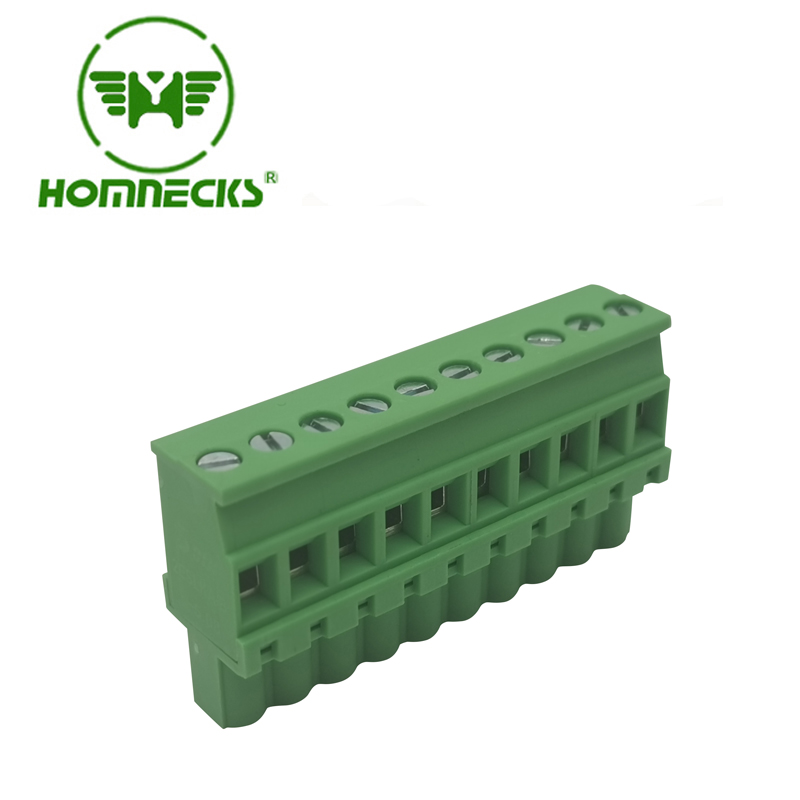
Ensuring Ease of Installation with Pluggable Terminal Block ConnectorsPluggable terminal block connectors are known for their user-friendly design, enabling easy installation and maintenance. The terminal block connector plug provides a convenient solution for quick and secure connections. These connectors are widely used in PCB assemblies, ensuring efficient signal transmission and reliable performance. HONG YI-HOMNECKS, a leading terminal block manufacturer, offers a wide range of pluggable terminal block connectors that guarantee seamless connectivity and effortless installation.
HONG YI-HOMNECKS - Your Reliable Partner for PCB Terminal BlocksWhen it comes to high-quality terminal blocks, HONG YI-HOMNECKS is a trusted name in the industry. With a commitment to excellence, they provide top-notch terminal block solutions, including PCB screw connectors, green terminal blocks, and pluggable terminal block connectors. Not only do they offer superior product performance, but they also prioritize customer satisfaction through their exceptional services. HONG YI-HOMNECKS aims to meet the unique requirements of their clients, ensuring reliable signal connection control for diverse applications.
Conclusion:In conclusion, pluggable terminal block connectors play a crucial role in achieving seamless signal connectivity. With their versatility, sustainability, and ease of installation, they offer efficient solutions for various electronic applications. When it comes to reliable and high-quality terminal block solutions, HONG YI-HOMNECKS stands out as a trusted manufacturer and supplier. Their commitment to excellence and exceptional services make them the ideal partner for your PCB terminal block needs. Experience the benefits of HONG YI-HOMNECKS+PCB TERMINAL BLOCK and ensure perfect plug and pin alignment for your signal connections.
PCB terminal blocks are vital components in electrical systems, enabling secure and reliable signal connections for various applications. One popular choice is the 5.08 mm pitch connector or terminal block. In this article, we will explore the importance of these terminal blocks in signal connection control and highlight the advantages offered by HONG YI-HOMNECKS, a renowned terminal block manufacturer and supplier.
1.What are PCB Terminal Blocks?PCB terminal blocks, such as the 5.08 mm pitch connector, are connectors designed specifically for printed circuit boards (PCBs). They provide a means to connect wires or cables to the PCB, facilitating the transmission of electrical signals between different components. The 5.08 mm pitch connector offers a standardized spacing for effortless integration into PCB designs.
2: Signal Connection Control Made EasyThe primary role of PCB terminal blocks is to establish reliable and secure connections for signal transmission. Terminal blocks ensure proper electrical conductivity and minimize signal interference, which is crucial for maintaining the integrity of the signal throughout the system. The 5.08 mm terminal block, with its robust construction and precise pin spacing, provides excellent signal connection control.
3: Versatility and FlexibilityOne of the key advantages of the 5.08 mm pitch connector is its versatility. It can handle various wire gauges and accommodate different types of signals, including power, analog, and digital signals. This flexibility makes it a popular choice across a wide range of industries, from industrial automation to consumer electronics. Whether you need to connect sensors, actuators, or power sources, the 5.08 mm terminal block offers a reliable solution.
4: Quality Manufacturing by HONG YI-HOMNECKSAs a leading manufacturer and supplier of terminal blocks, HONG YI-HOMNECKS is dedicated to producing high-quality products that meet industry standards. Their 5.08 mm terminal blocks are manufactured using top-grade materials and undergo rigorous quality control to ensure optimal performance and durability. When choosing HONG YI-HOMNECKS, you can trust in the reliability and longevity of their products.
5: Comprehensive Solutions and CustomizationHONG YI-HOMNECKS understands that each project has unique requirements. That's why they offer comprehensive solutions for your terminal block needs. Whether you need specific pin configurations, specialized features, or custom designs, HONG YI-HOMNECKS can provide tailored solutions to meet your precise specifications. Their expertise and commitment to customer satisfaction set them apart as a trusted partner in the industry.
Conclusion:In the world of signal connection control, PCB terminal blocks play a crucial role in ensuring reliable and efficient electrical connections. The 5.08 mm pitch connector or terminal block stands out as a versatile and dependable solution for various applications. When it comes to quality and reliability, HONG YI-HOMNECKS excels as a leading terminal block manufacturer and supplier. With their dedication to providing comprehensive solutions and exceptional service, HONG YI-HOMNECKS is the ideal choice for all your PCB terminal block needs.
These numbers (such as 3.5 mm, 3.81 mm, 5.0 mm, 5.08 mm, 7.5 mm, 7.62 mm) represent different spacing and are commonly used to describe the size of PCB terminal blocks. Here are some differences and common uses between them:
Ningbo HongYi Electronic Ltd Co. 3.5mm terminal blocks and 3.81mm terminal blocks: These two spacing options are typically used for smaller electronic devices and connectors, such as small power modules, sensor modules, terminal blocks, etc. They are suitable for applications that require compact layouts and limited space.
Ningbo HongYi Electronic Ltd Co. 5.0 mm terminal blocks and 5.08 mm terminal blocks: These two spacing sizes are common standard sizes widely used in electronic devices and industrial control systems. They are suitable for medium-sized equipment such as power supply, PLC control, automation equipment, etc. 5.08mm terminal blocks are particularly commonly used for AC circuit connections, such as power input and relay control.
Ningbo HongYi Electronic Ltd Co. 7.5mm terminal blocks and 7.62mm terminal blocks: These two spacing options are suitable for larger equipment and high-power applications. They have larger terminal spacing and can withstand higher currents and voltages, commonly found in power sources, large mechanical equipment, and industrial automation systems.
These wiring terminals with different spacing have their respective applicable application ranges, and the choice of suitable spacing depends on specific application requirements, such as power requirements, space limitations, and electrical characteristics. When choosing, it is necessary to consider the actual situation and design requirements comprehensively.
 English
 English
 Deutsch
 Español
 عربي
عربي हिंदी
हिंदी

 Contact Us



 IPv6 network supported