English
 English
 Deutsch
 Español
 عربي
عربي हिंदी
हिंदी

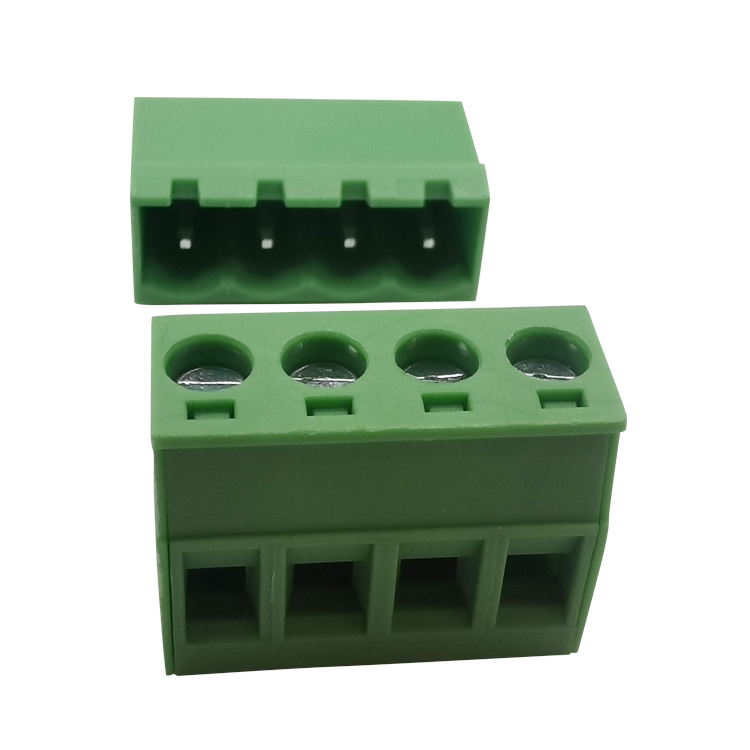
Terminal blocks look like simple, generic components. But they are the weakest link in many electrical control cabinet failures.
Most field issues—intermittent shutdowns, terminal overheating, loose connections, and short circuits—stem from one root cause: wrong terminal block selection.
For panel designers and equipment procurement engineers, picking terminals based only on price or basic size leads to costly after-sales repairs. Every project has unique circuit loads, installation environments, and production demands.
After years of on-site cabinet assembly and troubleshooting, we summarize5 non-negotiable key factors for terminal block selection. This guide delivers practical, field-verified rules to help you match the best terminals for your project and avoid common engineering mistakes.
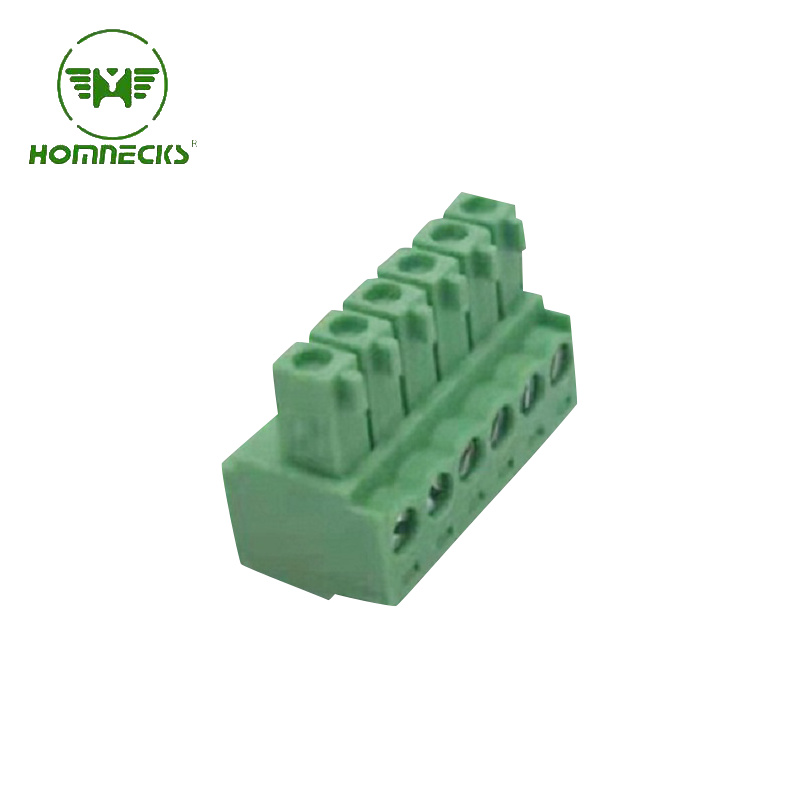
1. Electrical Rating Matching (Current & Voltage Safety Margin)
Electrical rating is the foundation of terminal block selection. It is also the most frequently underestimated parameter in project design.
Many engineers select terminals strictly according to the circuit’s rated current. This leaves zero margin for peak load, temperature rise, and current fluctuation.
From field experience, long-term operation will degrade terminal conductivity. Running terminals at full rated current inevitably causes overheating and aging.
Practical engineering rule: Reserve at least 150% current safety margin. The terminal’s voltage rating must also exceed the system’s maximum voltage, including transient surge voltage.
For industrial high-humidity and dusty workshops, prioritize terminals with larger creepage and clearance distances. They prevent arcing and surface discharge under harsh working conditions.
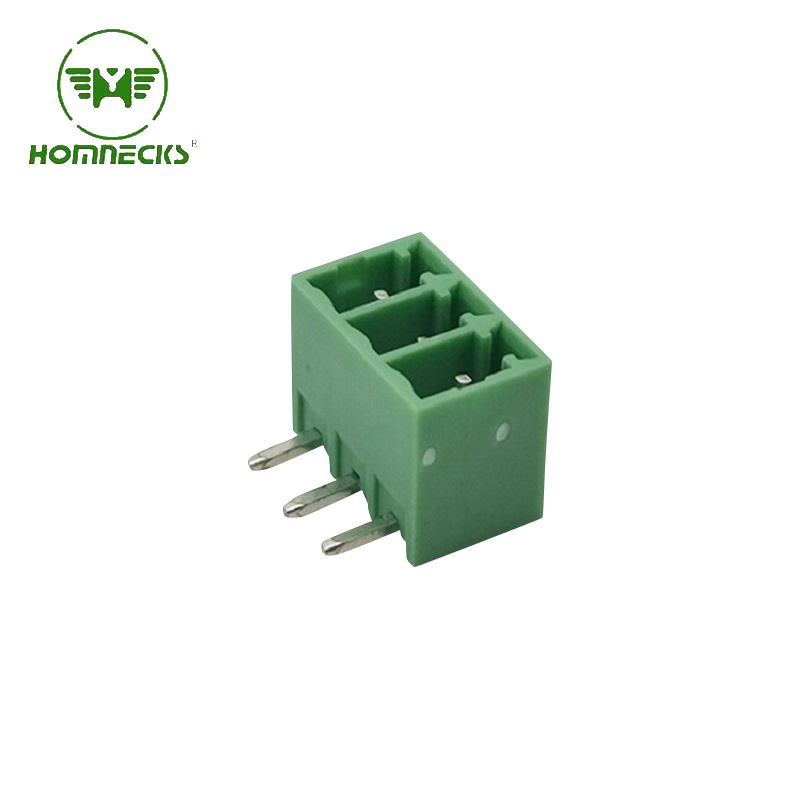
2. Wire Gauge Compatibility & Connection Stability
Mismatched wire gauge and terminal clamp range is a top hidden fault in mass production projects.
A terminal that is too large cannot clamp thin stranded wires tightly. Loose wire strands create high contact resistance and trigger overheating. A terminal that is too small will crush thick wires, damaging conductors and reducing current carrying capacity.
Another common on-site mistake: using stranded wires without ferrules. Scattered fine strands easily cause phase-to-phase short circuits under vibration.
Always confirm the terminal’s applicable wire range (AWG or mm²). Match solid wire, stranded wire, and flexible wire types to avoid connection failure risks.
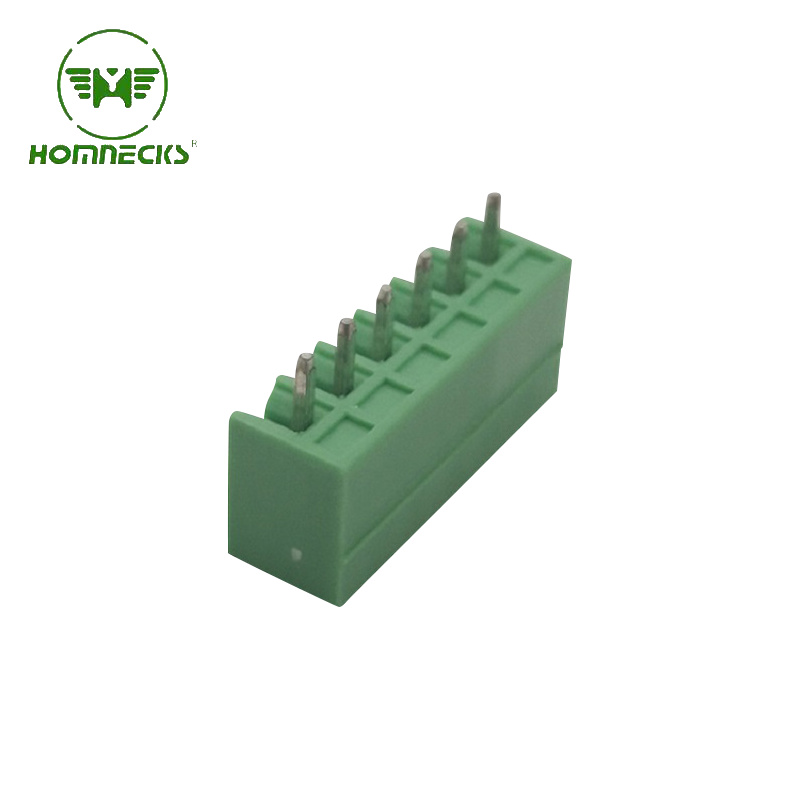
3. Terminal Connection Type (Match Production & Maintenance Needs)
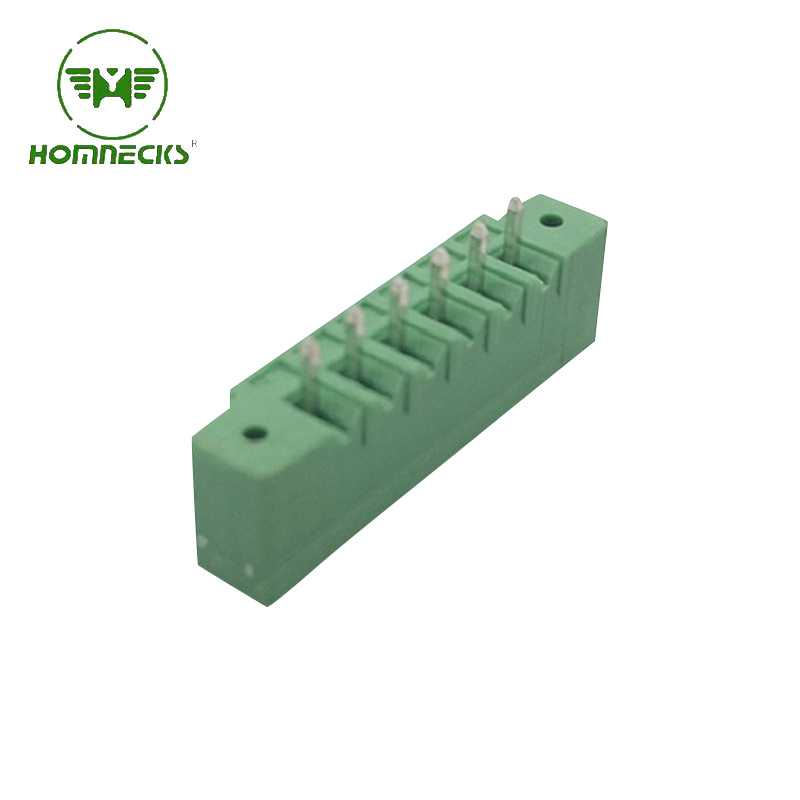
Screw, barrier, screwless push-in, and pluggable terminals each fit different project scenarios. No single type works for all circuits.
The table below compares four mainstream terminal types, helping you select based on production volume, on-site vibration, and maintenance frequency.
|
Terminal Type
|
Core Field Advantages
|
Key Limitations
|
Best Project Application
|
|---|---|---|---|
|
Standard Screw Terminal
|
Low cost, full wire compatibility, easy on-site repair, wide stock availability
|
Prone to vibration loosening, inconsistent manual torque, slow bulk wiring
|
Low-budget custom projects, static indoor low-power circuits
|
|
Barrier Terminal
|
Independent isolation barrier, anti-short circuit, excellent vibration resistance, low overheating risk
|
Slightly larger footprint, moderate material cost
|
Mains input, high-current power loops, vibration-prone workshop cabinets
|
|
Screwless Push-In Terminal
|
Tool-free fast wiring, constant spring tension, no screw loosening, high production efficiency
|
Higher unit price, poor adaptability for ultra-thick high-current cables
|
Mass standardized cabinet production, large-scale signal wiring
|
|
Pluggable Terminal
|
Pre-wiring support, fast module replacement, zero on-site rewiring
|
Weak vibration resistance, high intermittent contact risk
|
Modular equipment, frequently disassembled control modules
|
4. Environmental & Mechanical Adaptability
Indoor static office cabinets and factory workshop cabinets require completely different terminal specifications.
Industrial environments have three core interference factors: vibration, dust, and humidity. Ordinary terminals age rapidly in harsh conditions.
Cabinets installed on motors, conveyors, and production lines must prioritize anti-vibration terminal structures to avoid loose connections.
For dusty and humid workshops, select terminals with high-grade insulating plastic (PA66 flame retardant). They resist oxidation, creepage, and long-term environmental erosion.
5. Certification & Project Cost-Benefit Balance
Certification compliance determines equipment market eligibility and safety baseline.
Export equipment requires UL, IEC, or CSA certified terminals. Domestic industrial projects need compliant VDE and flame-retardant certifications to pass factory safety audits.
For cost control, avoid two extremes. Do not over-specify all terminals to raise project costs. Do not blindly choose low-price uncertified terminals to save costs, which leads to frequent failures.
Best cost-performance strategy: Deploy high-safety barrier terminals for core power circuits, and economical standard terminals for ordinary signal circuits.
Quick Selection Parameter Cheat Sheet
This table sorts core selection thresholds for quick BOM review and specification confirmation, suitable for daily engineer and procurement work.
|
Selection Parameter
|
Industrial Standard Requirement
|
Field Best Practice
|
|---|---|---|
|
Current Margin
|
100% rated current matching
|
Reserve 150% load margin to avoid thermal aging
|
|
Voltage Margin
|
Equal to system voltage
|
25% higher than max system surge voltage
|
|
Wire Matching
|
General wire range adaptation
|
Strictly match wire type + AWG, use ferrules for stranded wires
|
|
Vibration Environment
|
No special requirement
|
Choose barrier or screwless terminals for vibrating equipment
|
|
Certification
|
Basic safety certification
|
Match local market access standards (UL/IEC/CSA)
|
FAQ for Terminal Block Project Selection
Q1: Is it necessary to reserve current margin when selecting terminal blocks?
Yes, it is mandatory for industrial projects. Operating terminals at full rated current will cause continuous heat accumulation with load fluctuation and temperature changes. Reserving 150% current margin effectively prevents thermal aging, overheating, and loose connections. It is the most cost-effective way to reduce long-term failure rates.
Q2: Which terminal type is the most versatile for most control cabinet projects?
Mixed configuration is the most practical solution. Use barrier terminal blocks for mains input and high-current power circuits to guarantee safety and vibration resistance. Adopt screwless push-in terminals for mass signal wiring to improve assembly efficiency. Deploy standard screw terminals for low-budget auxiliary circuits to control overall project costs.
Q3: Do terminal certifications really matter for non-export domestic projects?
Absolutely. Certified terminals have standardized insulation, flame retardant, and creepage distance parameters. Uncertified low-cost terminals often cut material corners. They are prone to insulation breakdown and arcing in harsh industrial environments, leading to safety hazards and failing customer factory safety audits.
 Contact Us
Signup our newsletter to get update information, promotion and insight.



 IPv6 network supported