English
 English
 Deutsch
 Español
 عربي
عربي हिंदी
हिंदी

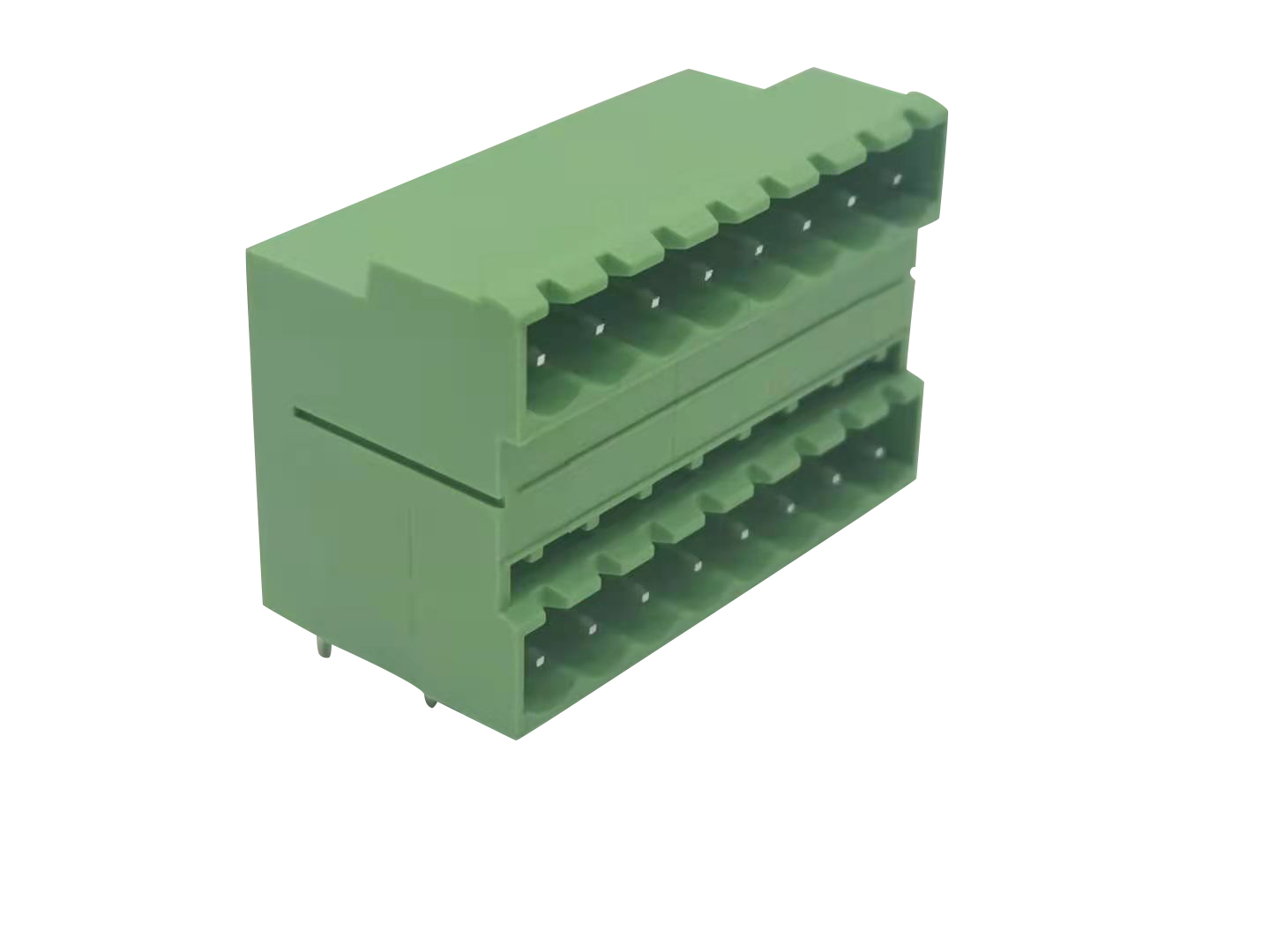
PCB terminal blocks are super important for both PCBs and how factories control their machines. Think of them as simple connectors that help make electrical things work by hooking everything up. They make sure your circuits connect to the outside world safely and without any trouble.
Here’s what they do for PCBs and industrial control systems:
I. How They Work on PCBs (Printed Circuit Boards)
On a PCB, terminal blocks act like connectors. They link the circuit to external cables.
Where the Electrical Stuff Happens:
Input/Output Points: They bring signals from sensors to the PCB to be used. They also send signals from the PCB to control things or show what's going on.
Power Points: They give juice to the PCB and every part on it.
Board Connectors: In setups that are more involved, they join the main board to smaller boards that do certain tasks.
Easy Testing:
Engineers can hook up their tools to the terminals to check signals and voltage. This is a must when you're testing, building, or fixing stuff.
Keep It Simple:
With terminals, each PCB can be made, checked, and swapped out on its own. If a PCB breaks, you can just switch it out by unplugging and plugging in the cables. No soldering needed.
Works for All Sorts of Connections:
PCB Direct Solder: Soldered right onto the board to stay put.
Plug-in: Easy to plug in and swap out.
Barrier Strip/Screw-Down: Screws hold it tight, so it will not come loose.
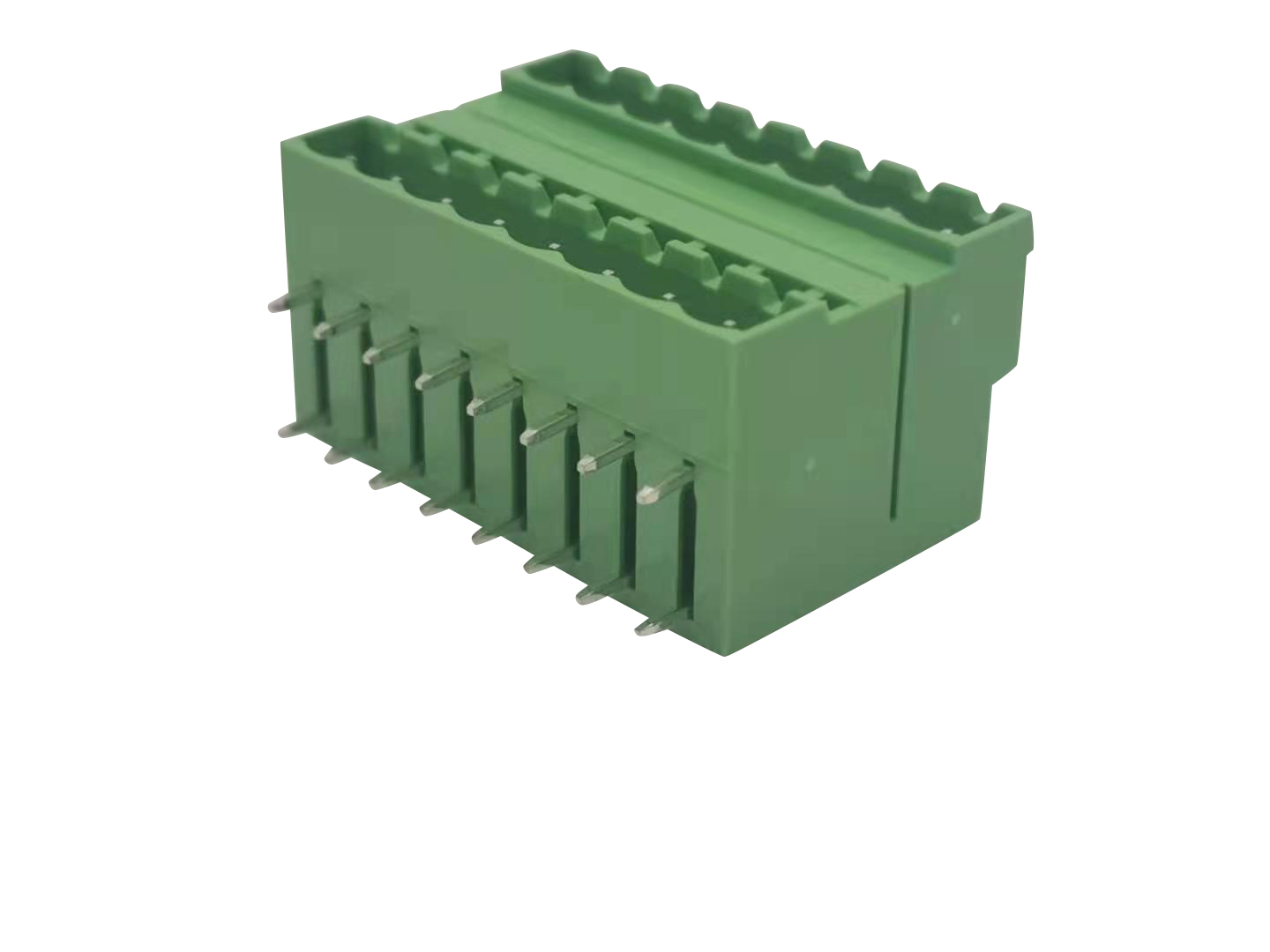
II. How They Work in Industrial Control Systems
In control boxes, distribution panels, and on the factory floor, terminal blocks do a lot! They're like the central nerve and power hub of the whole control system.
Signals are Everywhere:
More PLC/DCS Inputs/Outputs: Almost every PLC and DCS input/output part either has or connects to a bunch of terminal blocks. All those cables from sensors and other devices plug in here, which makes it easier to manage and send signals where they're needed.
Power is Central:
Power enters the control box and gets split up through the terminals. It goes through safety devices and then to different devices at different voltages through the terminal blocks.
Keep Things Separate:
Keeps Voltages Apart: Terminal blocks keep circuits with different voltages and signals away from each other, preventing problems and short circuits.
More Reliable and Safer:
Strong Connections: Screw terminals and spring clips hold on tighter than solder, so they're good for places where things vibrate a lot.
Safety: Many terminals keep fingers away from live electricity, keep out dust and water, and don’t catch fire easily, which keeps people and devices safe.
Labels: Terminal blocks usually have labels or numbers, so you know what each signal is for. This helps when you're fixing the system later on.
Tidy Wiring: Terminal blocks keep all those cables neat, labeled, and connected. This makes the wiring in the box cleaner and better.
Simple to Use:
Easy Hook-Ups: Wiring is faster and more organized on a terminal block.
Easy Fixes: If something messes up, you can easily disconnect or test a signal on the terminal block.
Add More Gear: When you add new stuff, just wire it to the terminals without messing with the main wiring.
So, basically, terminal blocks are essential for keeping things manageable in electrical jobs. They turn complicated setups into simple spots to wire into, which makes electronics and systems work well and easy to maintain. Without them, making, testing, and maintaining modern electrical control systems would be a headache!
 Contact Us
Signup our newsletter to get update information, promotion and insight.



 IPv6 network supported