The advantages Pluggable terminal block :a new choice for efficient, convenient, and flexible electrical connections
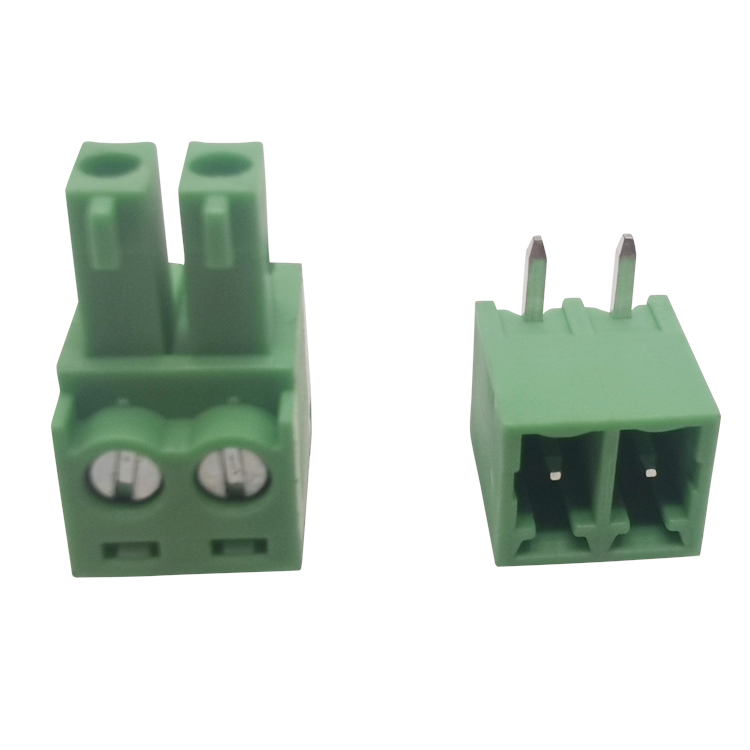
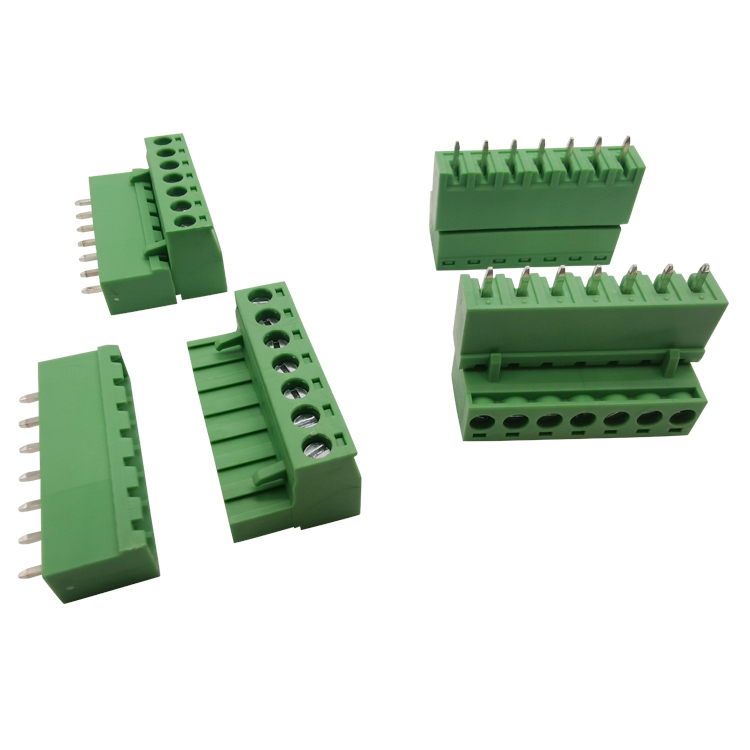
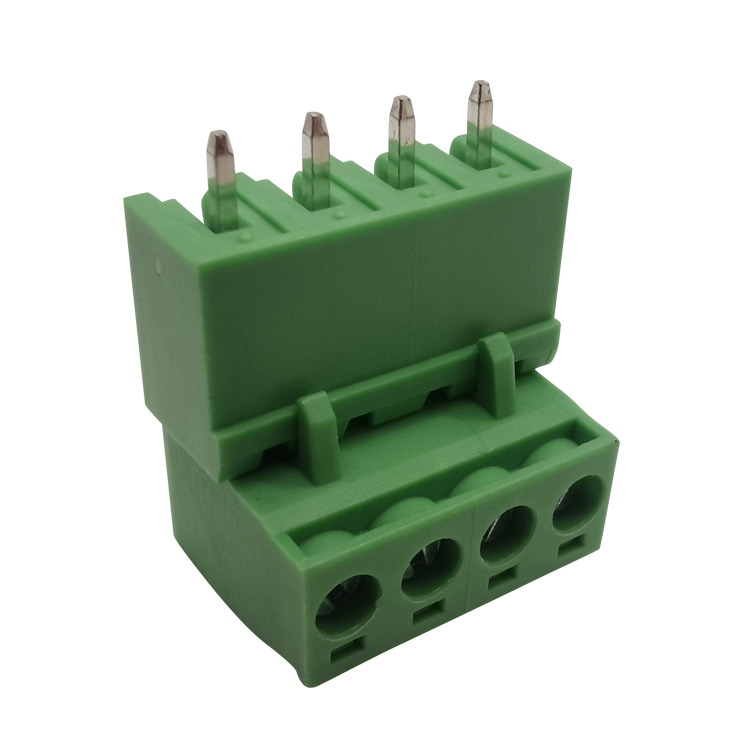
Pluggable terminal block have the advantages of fast installation, easy maintenance, high reliability, and wide application, making them an efficient, convenient, and flexible choice in the field of electrical connections.
As a new type of electrical connection method, plug-in terminals have been widely used in various fields in recent years. Its advantage lies in the ability to quickly achieve electrical connections and easy maintenance, making it the preferred choice for many electrical engineers and technicians. This article will provide a detailed analysis of the advantages of plug-in terminals, helping everyone better understand and use this electrical connection method.
1、 Widely used to meet different needs
screwless connector are suitable for various electrical connection scenarios, including industrial control, power transmission, communication, and other fields. They can meet the connection needs of different electrical equipment and provide diverse connection methods. In addition, plug-in terminals also have flexible customization, which can be customized according to specific needs to meet the personalized needs of different customers.
2、High reliability ensures safe and stable operation
In the design and manufacturing process of plug-in terminals, emphasis is placed on improving the reliability and stability of the connection. Screwless pcb terminal block usually have a high number of insertions and durability, and can withstand a certain degree of vibration and impact. In addition, plug-in terminals are made of high-quality materials and advanced production processes to ensure that the connecting parts have good conductivity and mechanical strength, thereby ensuring the safe and stable operation of electrical equipment.
3、Quick installation to improve work efficiency
Pcb terminal screw adopts a plug-in connection method, without the need for screws or other fasteners. Simply insert the wire into the terminal and press the locking mechanism to complete the connection. This installation method is simple and easy to implement, greatly improving work efficiency. Compared to traditional connection methods, plug-in terminals can save a lot of installation time, reduce labor intensity, and enable electrical engineers and technicians to focus more on other important tasks.
4、Easy to maintain and reduce failure rate
Pcb pluggable terminal block connector also have advantages in maintenance. Due to the use of plug-in connection, when electrical equipment needs to be replaced or repaired, simply unplug the terminals to complete the disassembly work. In addition, plug-in terminals usually have good sealing performance, which can effectively prevent pollutants such as dust and moisture from entering the connection part, thereby reducing the failure rate and improving the reliability of electrical equipment.
In Summary, pluggable pcb terminal blocks have demonstrated unique advantages in the field of electrical connections due to their high efficiency, convenience, and flexibility. They can quickly achieve electrical connections and improve work efficiency; Easy to maintain and reduce failure rate; High reliability ensures the safe and stable operation of electrical equipment; And it is widely applicable to various scenarios to meet different needs. Therefore, pluggable pcb terminal block have become an ideal choice for electrical engineers and technicians, injecting new vitality into the development of the electrical connection field.
PCB terminal blocks are super important for both PCBs and how factories control their machines. Think of them as simple connectors that help make electrical things work by hooking everything up. They make sure your circuits connect to the outside world safely and without any trouble.
Here’s what they do for PCBs and industrial control systems:
I. How They Work on PCBs (Printed Circuit Boards)
On a PCB, terminal blocks act like connectors. They link the circuit to external cables.
Where the Electrical Stuff Happens:
Input/Output Points: They bring signals from sensors to the PCB to be used. They also send signals from the PCB to control things or show what's going on.
Power Points: They give juice to the PCB and every part on it.
Board Connectors: In setups that are more involved, they join the main board to smaller boards that do certain tasks.
Easy Testing:
Engineers can hook up their tools to the terminals to check signals and voltage. This is a must when you're testing, building, or fixing stuff.
Keep It Simple:
With terminals, each PCB can be made, checked, and swapped out on its own. If a PCB breaks, you can just switch it out by unplugging and plugging in the cables. No soldering needed.
Works for All Sorts of Connections:
PCB Direct Solder: Soldered right onto the board to stay put.
Plug-in: Easy to plug in and swap out.
Barrier Strip/Screw-Down: Screws hold it tight, so it will not come loose.
II. How They Work in Industrial Control Systems
In control boxes, distribution panels, and on the factory floor, terminal blocks do a lot! They're like the central nerve and power hub of the whole control system.
Signals are Everywhere:
More PLC/DCS Inputs/Outputs: Almost every PLC and DCS input/output part either has or connects to a bunch of terminal blocks. All those cables from sensors and other devices plug in here, which makes it easier to manage and send signals where they're needed.
Power is Central:
Power enters the control box and gets split up through the terminals. It goes through safety devices and then to different devices at different voltages through the terminal blocks.
Keep Things Separate:
Keeps Voltages Apart: Terminal blocks keep circuits with different voltages and signals away from each other, preventing problems and short circuits.
More Reliable and Safer:
Strong Connections: Screw terminals and spring clips hold on tighter than solder, so they're good for places where things vibrate a lot.
Safety: Many terminals keep fingers away from live electricity, keep out dust and water, and don’t catch fire easily, which keeps people and devices safe.
Labels: Terminal blocks usually have labels or numbers, so you know what each signal is for. This helps when you're fixing the system later on.
Tidy Wiring: Terminal blocks keep all those cables neat, labeled, and connected. This makes the wiring in the box cleaner and better.
Simple to Use:
Easy Hook-Ups: Wiring is faster and more organized on a terminal block.
Easy Fixes: If something messes up, you can easily disconnect or test a signal on the terminal block.
Add More Gear: When you add new stuff, just wire it to the terminals without messing with the main wiring.
So, basically, terminal blocks are essential for keeping things manageable in electrical jobs. They turn complicated setups into simple spots to wire into, which makes electronics and systems work well and easy to maintain. Without them, making, testing, and maintaining modern electrical control systems would be a headache!
What are the differences between screw-type, spring-type, and plug-in terminal blocks? Which type is more suitable for industrial automation, power systems, or PCB connections? This article provides a detailed comparison of the advantages, disadvantages, application scenarios, and selection recommendations for these three types of terminal blocks, helping engineers and purchasing personnel make informed decisions.
Why does the choice of terminal blocks affect system stability?
In industrial control, power distribution, new energy equipment, and automation systems, terminal blocks are critical connecting components. Different connection methods directly impact the safety, stability, and maintenance costs of the system.
I. Screw Terminal Block
Advantages: High current carrying capacity, lower cost, suitable for large cross-section wires.
Limitations: Requires regular maintenance, may loosen in high-vibration environments.
Applicable scenarios: Power distribution cabinets, industrial control boxes, high-current power equipment.
II. Spring Terminal Block
Advantages: Strong vibration resistance, maintenance-free, high installation efficiency.
Limitations: Relatively higher cost, not suitable for ultra-high current applications.
Applicable scenarios: Automation control systems, rail transit, robotic equipment.
III. Push-in / Pluggable Terminal Blocks
Advantages: Fast installation, convenient for modular design, suitable for PCB connections.
Limitations: Relatively lower current carrying capacity, structural strength is not as good as screw-type terminals.
Applicable scenarios: PCB control boards, mass-produced equipment, systems requiring frequent disassembly and assembly.
Summary of the three types of terminal blocks:
Q1: Screw-type emphasizes high current carrying capacity;
Q2: Spring-type emphasizes vibration resistance and maintenance-free operation;
Q3: Push-in type emphasizes efficiency and modularity.
When choosing, comprehensive consideration should be given to current and voltage levels, environmental conditions, installation efficiency, and maintenance requirements.
Frequently Asked Questions (FAQ)
Q1: Which type of terminal block is most vibration-resistant?
A: Spring-type terminal blocks are more stable in high-vibration environments.
Q2: Which type is recommended for high-current applications?
A: Screw-type terminal blocks are more suitable for high-current applications.
Q3: Which type of terminal block is used for PCB boards?
A: Plug-in or pluggable terminal blocks are more suitable for PCB applications.
 English
 English
 Deutsch
 Español
 عربي
عربي हिंदी
हिंदी

 Contact Us



 IPv6 network supported