English
 English
 Deutsch
 Español
 عربي
عربي हिंदी
हिंदी

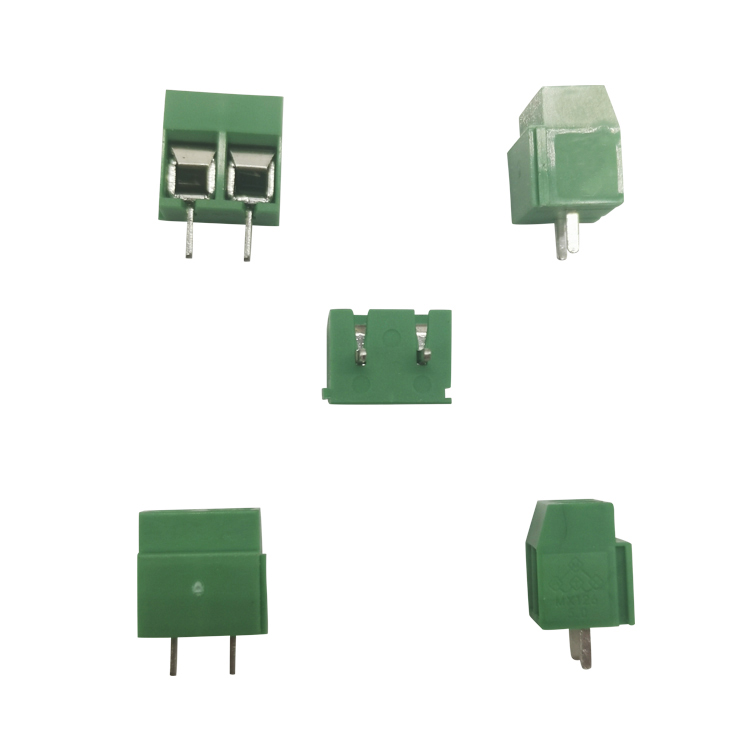
How to Select Suitable Terminal Blocks for Industrial Projects
Terminal blocks may look like small‑scale components, yet they directly decide the stability of power and signal circuits inside control cabinets, automation lines and power distribution units. Many field engineers have run into avoidable equipment faults simply because they picked mismatched terminal blocks.
This practical guide breaks down 5 core selection factors for industrial terminal blocks: real‑world current load, connection mechanism, working environment, product certifications, plus maintainability and expandability. Use these checkpoints to build safer, more dependable electrical systems for your equipment.
Why Terminal Block Selection Deserves Your Full Attention
Terminal blocks act as critical connection nodes across industrial control panels, distribution enclosures, new‑energy hardware and automated production lines. Poor‑fit terminals bring very real on‑site risks: overheating joints, unexpected voltage drop, distorted signal transmission, and even unplanned system shutdowns.
Design teams often underestimate these compact parts. But bad terminal choices create hidden failure points that show up during long‑term cabinet operation.
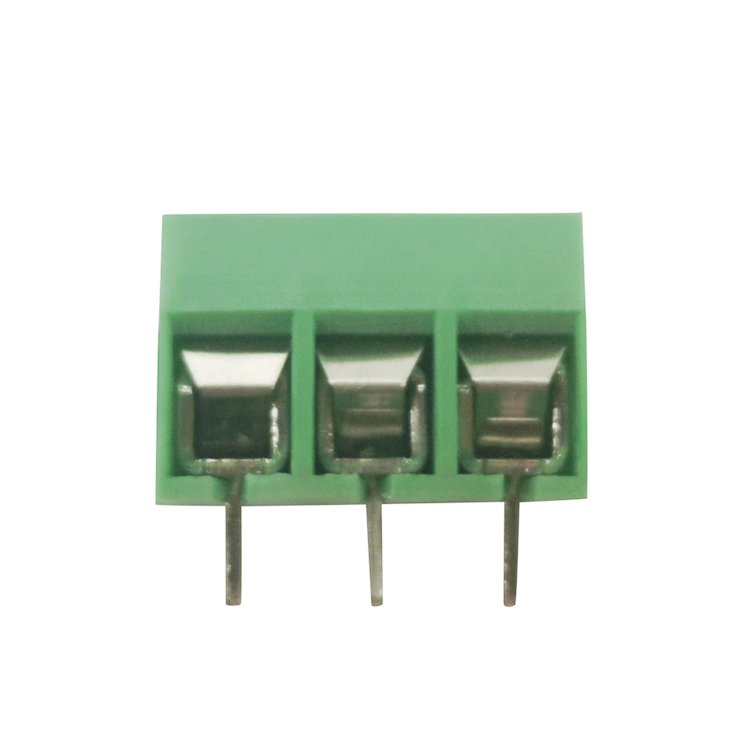
1. Calculate Actual Working Current, Not Just Datasheet Rated Value
This is one of the most frequent mistakes we see in cabinet design work.
Manufacturer rated‑current values are tested under ideal lab conditions. Real‑world control cabinets tell a different story. Dense component layout, limited air circulation and high ambient temperature inside the enclosure all push operating temperature higher. These conditions lower the practical current capacity of terminal blocks.
Practical engineering tip: Reserve a 20 %‑30 % current safety margin for your project.
Example: If your continuous working current hits 16A, select terminal blocks rated 20A or above. Never run terminals close to their maximum rated limit for continuous operation.
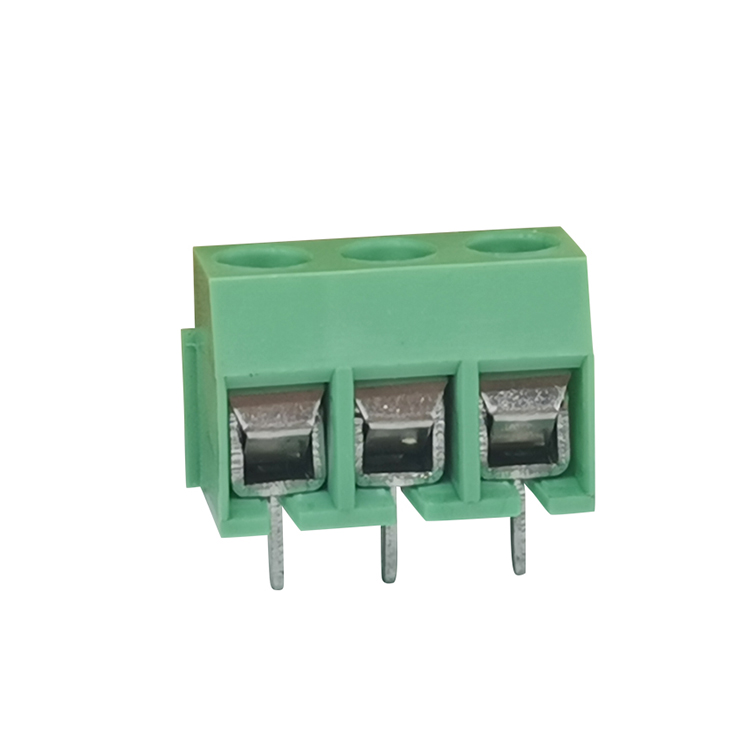
2. Match Connection Type to Your On‑Site Application
Each connection mechanism carries clear pros and cons. Pick based on your assembly workflow and operating conditions instead of choosing by price only.
| Connection Type | Key Strengths | Known Drawbacks | Best Fit Scenarios |
|---|---|---|---|
| Screw‑type Terminal Blocks | High current carrying capacity; solid clamping force for power circuits; wide industry adoption | Screws can loosen under vibration or thermal cycling; periodic re‑torque required | Heavy‑duty power wiring, stationary control cabinets, high‑power distribution systems |
| Spring / Screwless Terminal Blocks | Constant dynamic clamping force; zero re‑torque maintenance; excellent anti‑vibration performance | Lower max current compared with large screw terminals; stranded wires often need ferrules | Vibration‑prone machinery, rail transit, wind‑power equipment, high‑volume cabinet assembly |
| PCB Pluggable Terminal Blocks | Fast plug‑and‑play installation; easy module swap‑out; convenient for testing and repair | Mechanical mating wear after repeated plug cycles; needs matching male header |
PCB‑based controllers, modular automation hardware, equipment requiring quick disassembly
|
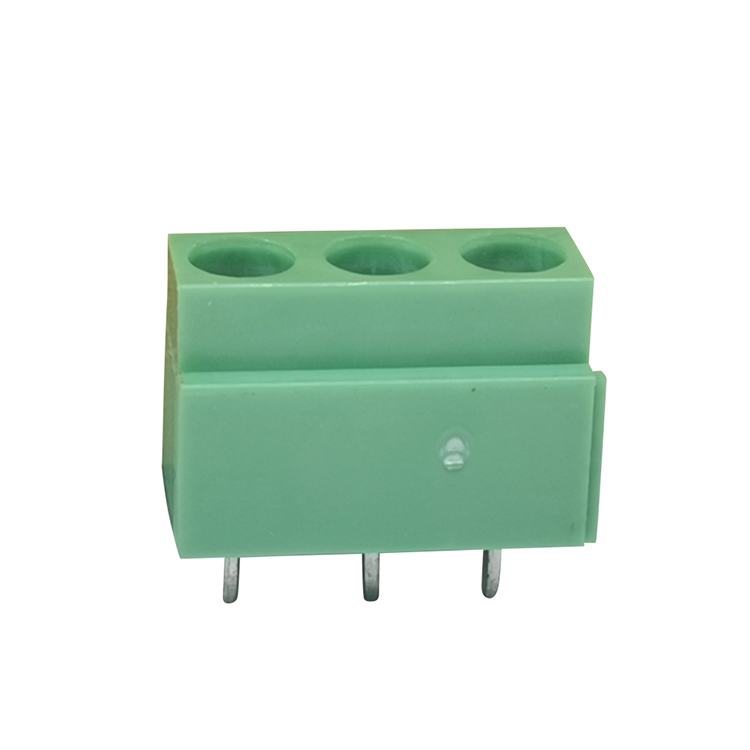
3. Evaluate Environmental Conditions for Installation Location
Temperature, humidity, dust and chemical vapors inside the cabinet or field site will shorten terminal service life if you ignore them.
For harsh working environments:
- Go for tin‑plated copper alloy pins and conductors. They resist oxidation and corrosion better.
- Confirm housing material meets **UL94 V‑0 flame retardant rating**. PA66 is the common reliable option for industrial terminal block housings.
- For heavy dust or moisture exposure, consider terminal accessories with protective covers or enclosures to reduce contamination risk.
Even indoor control cabinets can reach high internal temperatures under full load. Do not only reference ambient room temperature when selecting components.
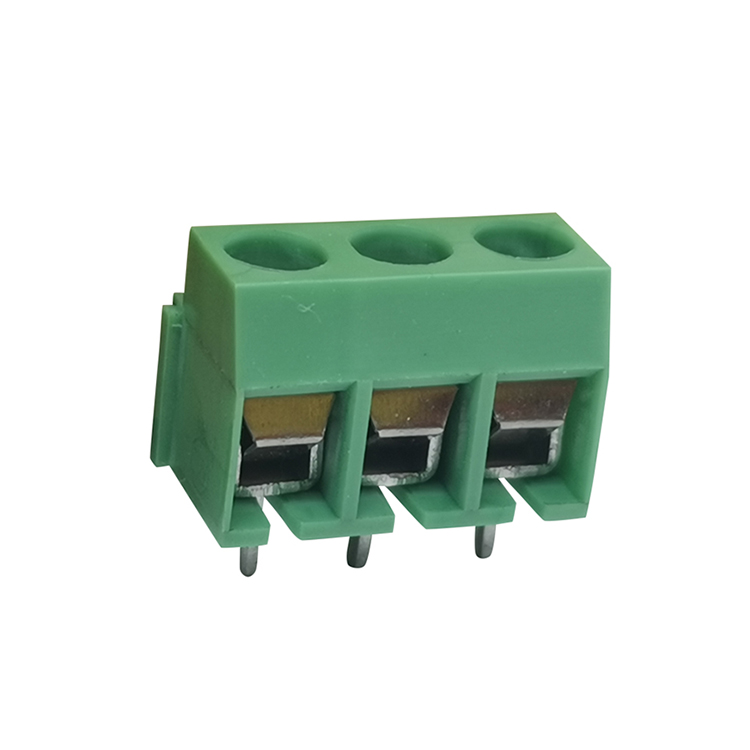
4. Verify Required Industry Certifications
Certifications are non‑negotiable for export‑oriented equipment and international projects.
Common mandatory standards include UL, CE, IEC and RoHS. Without these valid certifications, your cabinet or machine may fail third‑party inspection, get held up at customs, or face compliance risks.
As procurement advice: Always ask suppliers to provide corresponding certification documents, rather than trusting product page descriptions alone.
5. Factor in Maintenance and Future Expandability
Many engineers only focus on present circuit demands during component selection, and overlook later‑stage modification and upgrade work.
Think ahead:
- Modular terminal block designs simplify wiring changes when you expand machine functions later.
- Stick to widely standardized pitch sizes (such as 2.54 mm, 3.81 mm, 5.08 mm). Standard specifications make spare‑part sourcing much easier.
- Avoid overly specialized custom terminals unless you have fixed long‑term order volumes. Custom‑only parts create trouble for maintenance replacement.
Good selection balances your current requirements and long‑term total operating cost.
Closing Thoughts
There is no universal “best” terminal block for every industrial project. The right choice always depends on your actual working conditions.
Set aside proper current margins, select connection styles matched to vibration and assembly needs, specify qualified flame‑retardant materials, confirm certification compliance, and leave room for future modification. Following these practical rules helps you cut down on field faults and improve overall reliability for control cabinets and automated equipment.
FAQ
Q1: Why do terminal blocks overheat even when the working current is below the rated value? A: The rated current shown on datasheets is measured under ideal laboratory conditions. Inside sealed control cabinets, crowded wiring and poor heat buildup will lower the actual current capacity. We recommend reserving a 20%–30% current safety margin to prevent overheating risks.
Q2: Which terminal block type works best for equipment with constant vibration? A: Spring / screwless terminal blocks are the top choice. They deliver steady dynamic clamping force and will not loosen over time. Screw-type terminals may gradually lose tension under continuous vibration and thermal cycling.
Q3: Can PCB pluggable terminal blocks be used for long-term industrial operation? A: Yes. Premium pluggable terminal blocks with tin-plated copper pins offer stable electrical performance and good mechanical strength. They are widely used on controllers and modular automation devices where quick disassembly is needed.
Q4: What housing material and flame rating should industrial terminal blocks use for harsh environments? A: PA66 plastic with UL94 V-0 flame retardant rating is the standard pick. Combined with tin-plated copper conductors, it delivers better resistance against high temperature, oxidation and dust.
Q5: Are UL, CE and IEC certifications mandatory for terminal blocks used in export machines? A: For most overseas and international bidding projects, these certifications are required. Non-certified components may fail third-party inspections or cause customs clearance delays. Always request valid certification documents from suppliers before procurement.
Q6: Is it necessary to plan expandability when selecting terminal blocks for new projects? A: Yes. Prioritize standard pitch sizes and modular designs. This makes later circuit upgrades, equipment modification and spare part replacement much easier and cuts long-term maintenance costs.
 Contact Us
Signup our newsletter to get update information, promotion and insight.



 IPv6 network supported