English
 English
 Deutsch
 Español
 عربي
عربي हिंदी
हिंदी

Brand:HOMNECKS
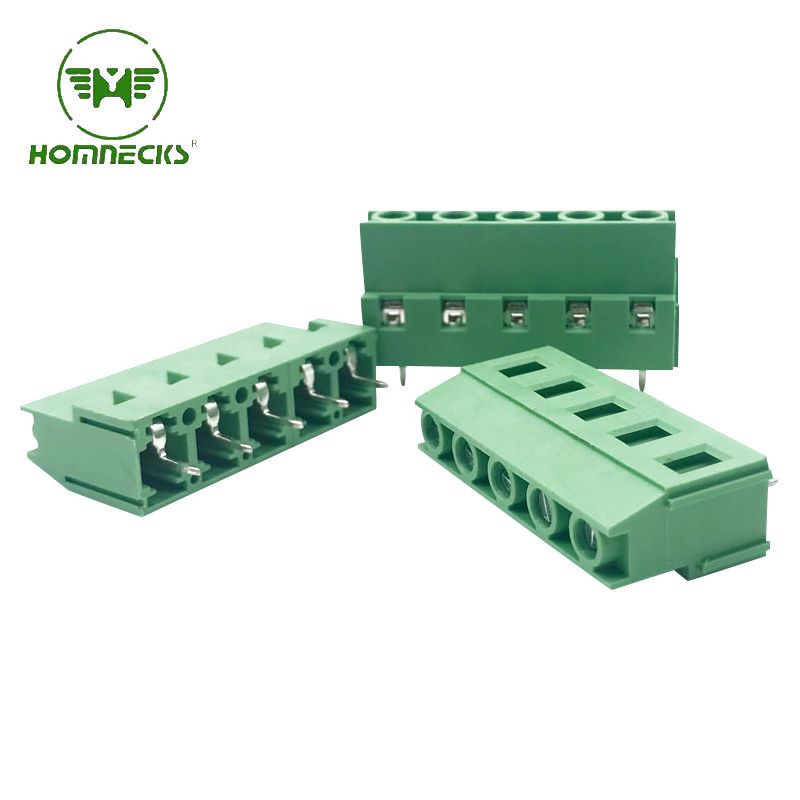
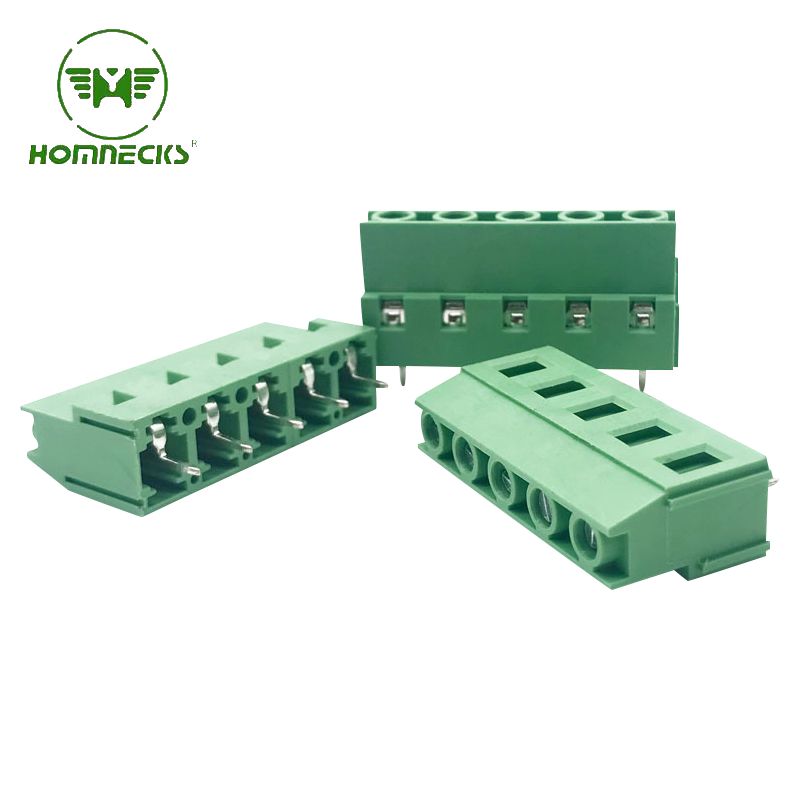
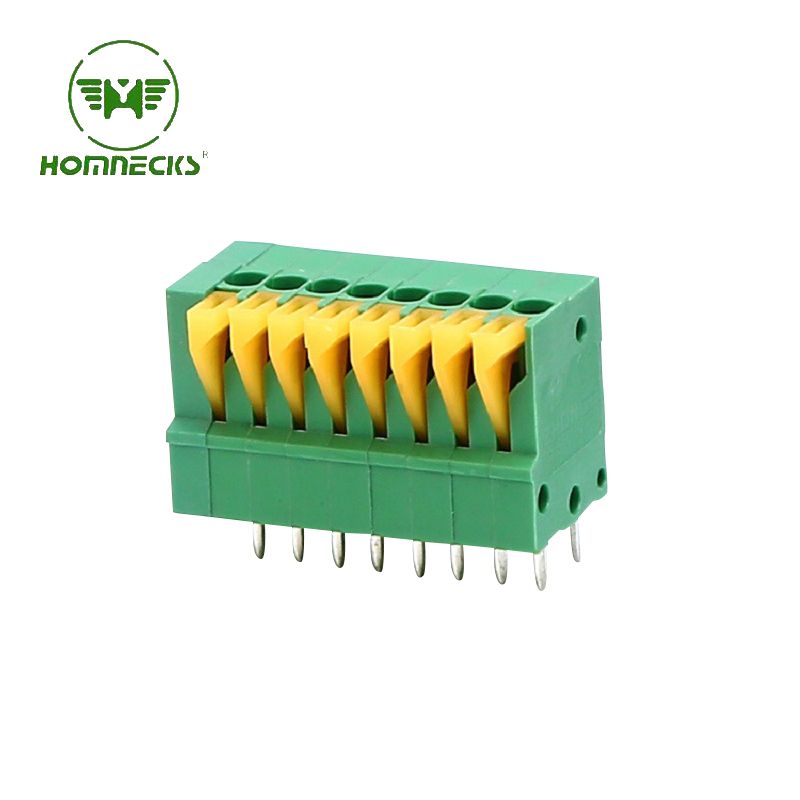
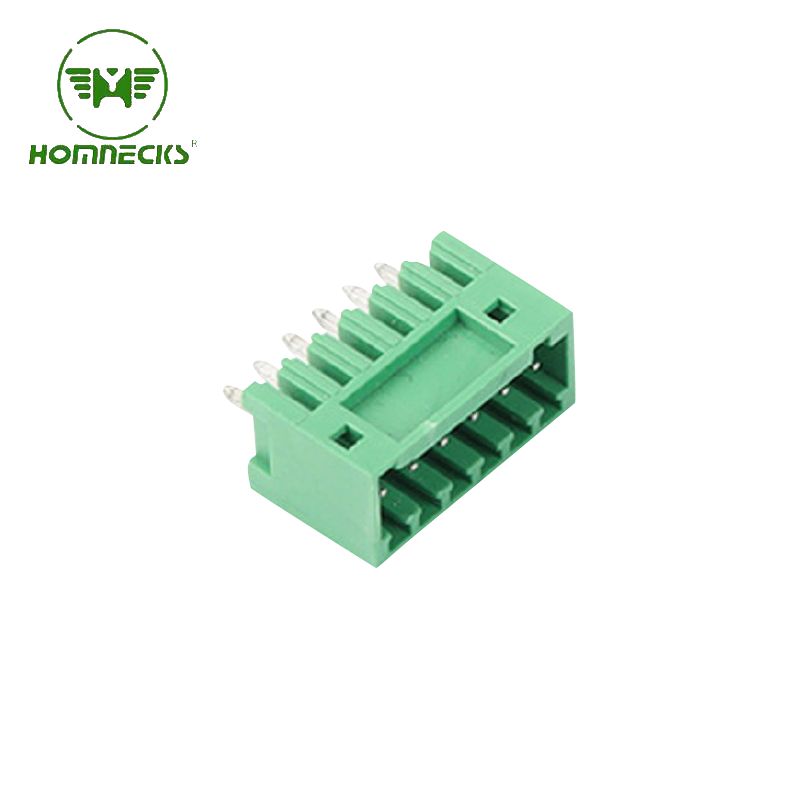
2.54mm (equivalent to 0.1 inch) is a very classic and universal spacing standard in the electronics industry, originating from the pin spacing of imperial integrated circuits. The straight pin design is the most basic and commonly used form of such terminals.
Item No :
H2EDGCV-2.54Payment :
T/TProduct Origin :
ChinaColor :
green ,we can also make other color if meet moqAs the name suggests, a straight pin refers to the pin part connected to the PCB board that is straight and perpendicular to both the terminal body and the PCB board plane. It is a reliable and widely used connection solution for various electronic components.
Type: PCB Pluggable Screw Terminal Block
Available Poles:
| 2 pin terminal block | 3 pin terminal block | 4 pin terminal block | 5 pin terminal block | 6 pin terminal block | 7 pin terminal block |
| 8 pin terminal block | 9 pin terminal block | 10 pin terminal block | 11 pin terminal block | 12 pin terminal block | 13 pin terminal block |
| 14 pin terminal block | 15 pin terminal block | 16 pin terminal block | 17 pin terminal block | 18 pin terminal block | 19 pin terminal block |
| 20 pin terminal block | 21 pin terminal block | 22 pin terminal block | 23 pin terminal block | 24 pin terminal block |
Material & Mechanical Details
| Housing | PA66, UL94V-0 |
| Pin Header | Copper alloy, Tin Plated |
| Temp. Range | -40℃ ~ +105℃ |
| MAX Soldering | +250℃, for 5 Sec. |
Electrical Parameters
| Rated Voltage | 150V (UL) / 130V (IEC) |
| Rated Current | 5A (UL) / 10A (IEC) |
| Contact Resistance | 20mΩ (MAX) |
| Insulation Resistance | 500MΩ / DC500V |
| Withstanding Voltage | AC 1250V / 1 Min |
This is the core area where the straight pin terminal forms electrical and mechanical connections with the circuit board.
1. Coordination between pins and pads
2. Welding process (Mainly Through-Hole Technology)
3. Solder joint morphology and requirements
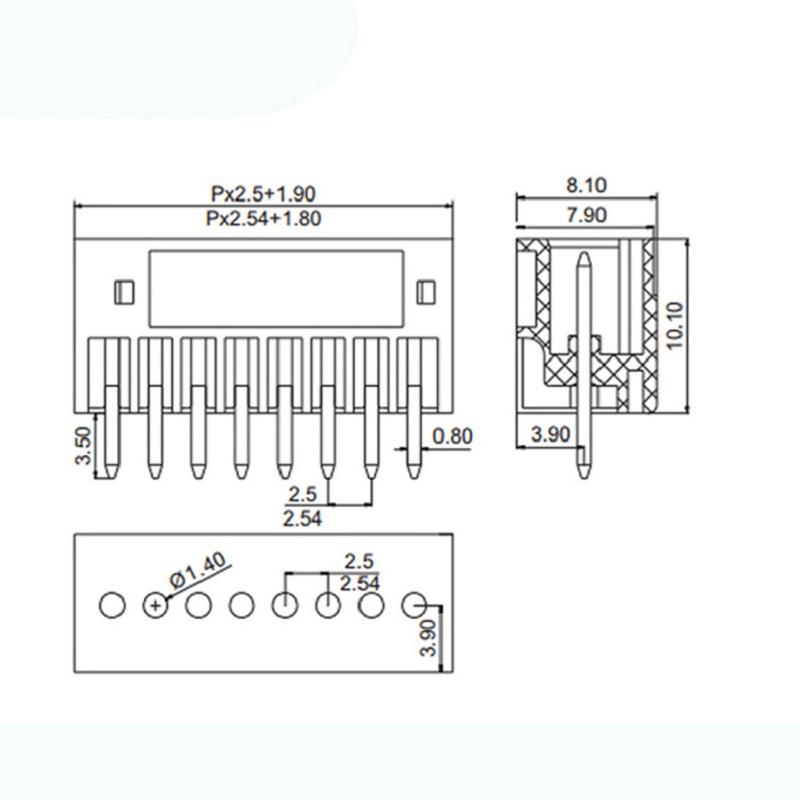
We choose high-quality and safe packaging materials to make sure your order won't be damaged during delivery. Acceptable trade terms include: EXW, FOB, CFR, CIF.



Q1: Where do 2.54mm straight pin terminal blocks fit inside control cabinets?
A: Straight pin design solders directly onto PCBs. The tight 2.54mm pitch saves board space. Engineers commonly use them for low-current signal wiring. Typical jobs include sensor feedback, small I/O boards, and internal panel signal routing. They work great for compact automation equipment with limited PCB real estate.
Q2: What wire range works for these 2.54mm straight pin terminal blocks?
A: Standard versions support 0.14–0.75 mm² conductors. Solid wire installs easily. Stranded wires need tightly twisted strands before insertion to stop loose copper strands from causing shorts during cabinet assembly.
Q3: What issues should I watch out for when soldering straight pin terminals to PCB?
A: Do not overheat pins during soldering. Too much heat melts the plastic housing and damages internal contacts. Keep soldering time short per pin, and double-check pin alignment after soldering. Crooked pins will make plug-in mating impossible on the production line.
Q4: Are 2.54mm straight pin terminals interchangeable with other brands?
A: Pin pitch stays at 2.54mm across most suppliers, but pin thickness, housing outline, and retention features vary. Cross-brand plug matching is not guaranteed. Always test samples at the prototype stage before placing large cabinet orders.
Q5: What key specs should I review before selecting 2.54mm straight pin terminals?
A: Check rated voltage and rated current first. Confirm the insulation flame retardant grade, and verify the pin length matches your specific PCB thickness.
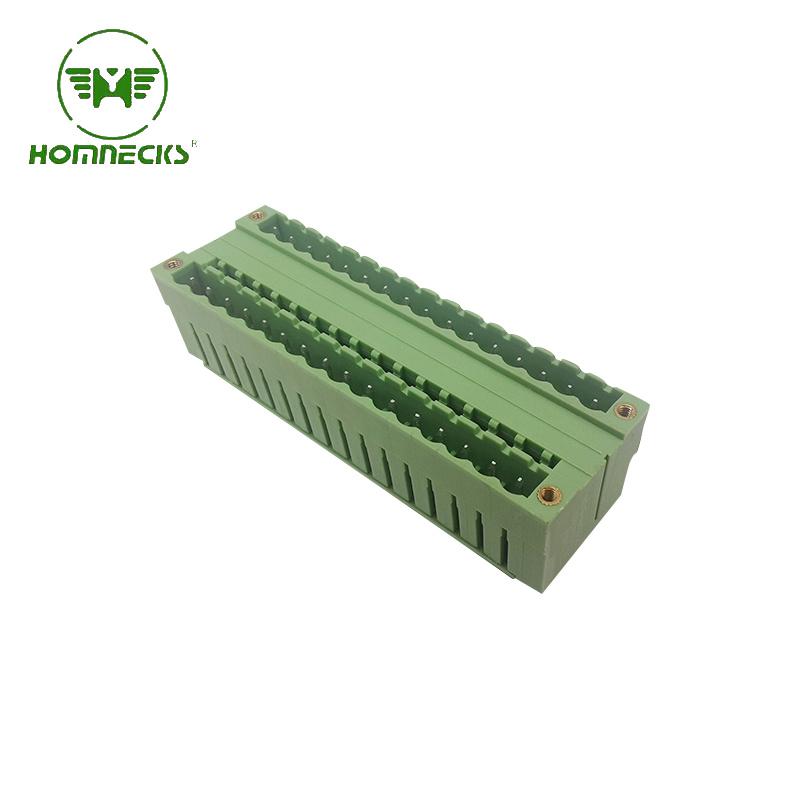
Brand:HOMNECKS Crafted with utmost precision and adhering to the highest industry standards, our 5.08mm Pitch Dual Row Straight Needle Terminal boasts exceptional reliability and durability. This makes it a perfect choice for your diverse range of electronic applications.
Details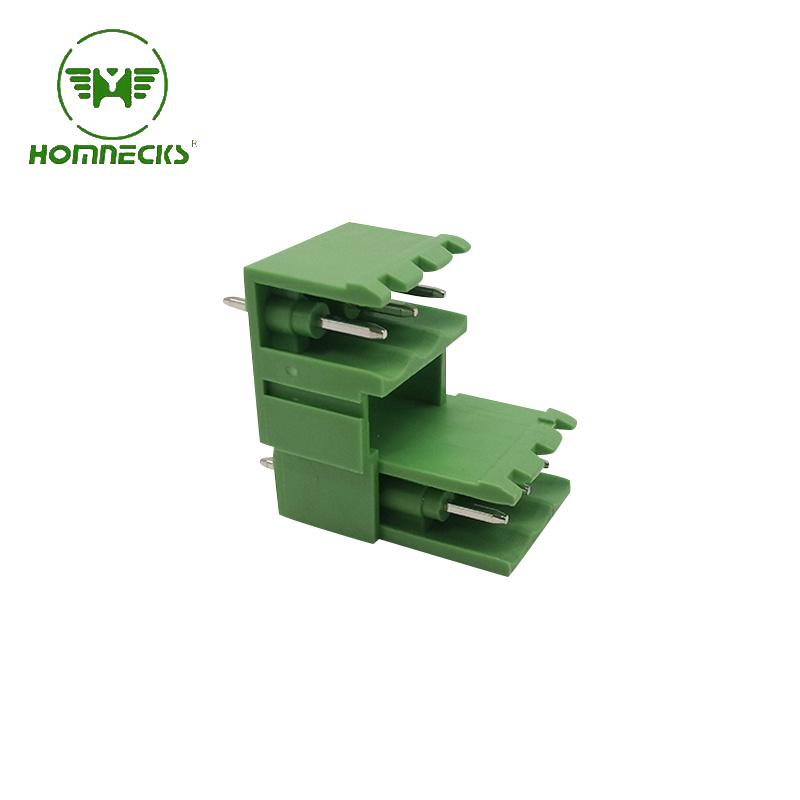
Brand:HOMNECKS 5.08 Dual Row Pluggable Straight Needle Terminal revolutionizes the way you operate in the world of electrical engineering.
Details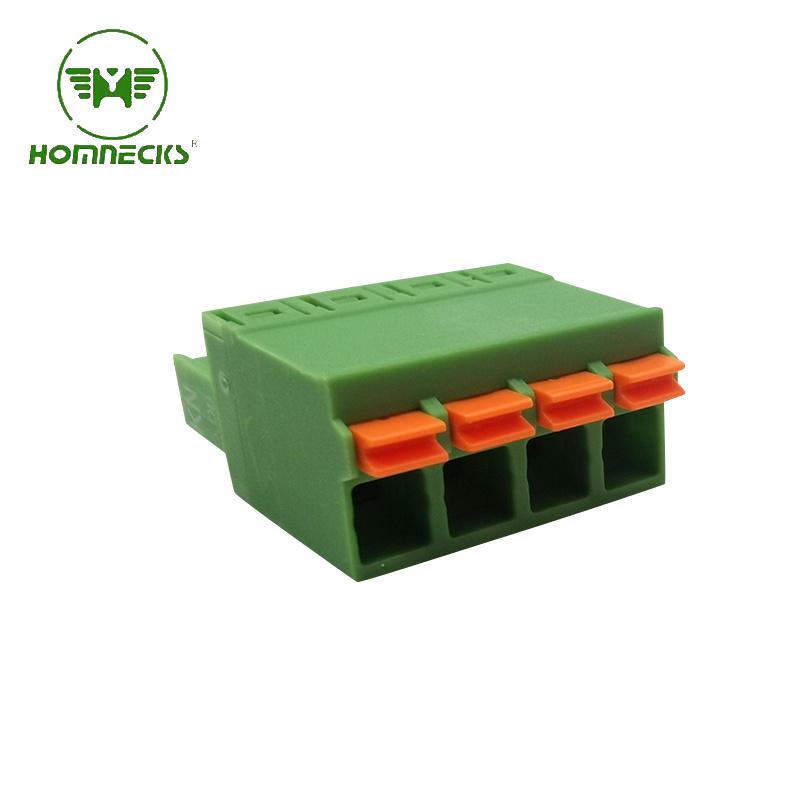
Brand:HOMNECKS Head for Pluggable Terminal Block , 5.08 Pitch,Screwless Numble Of Pole: we can make from 2P to 24P
Details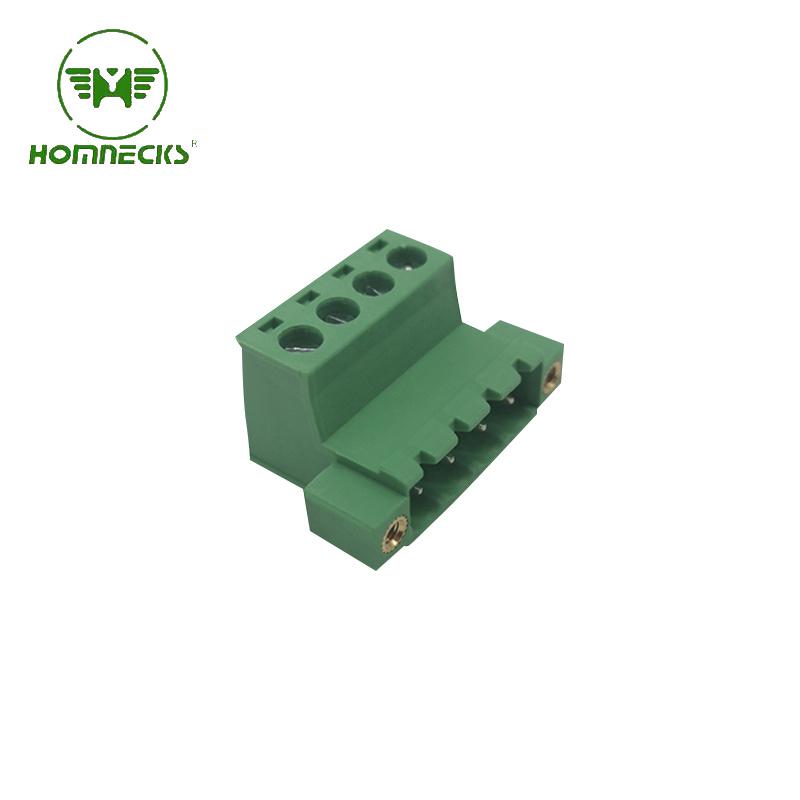
Brand:HOMNECKS 5.08 Pitch Pluggable Terminal Block Numble Of Pole: we can make from 2P to 24P
Details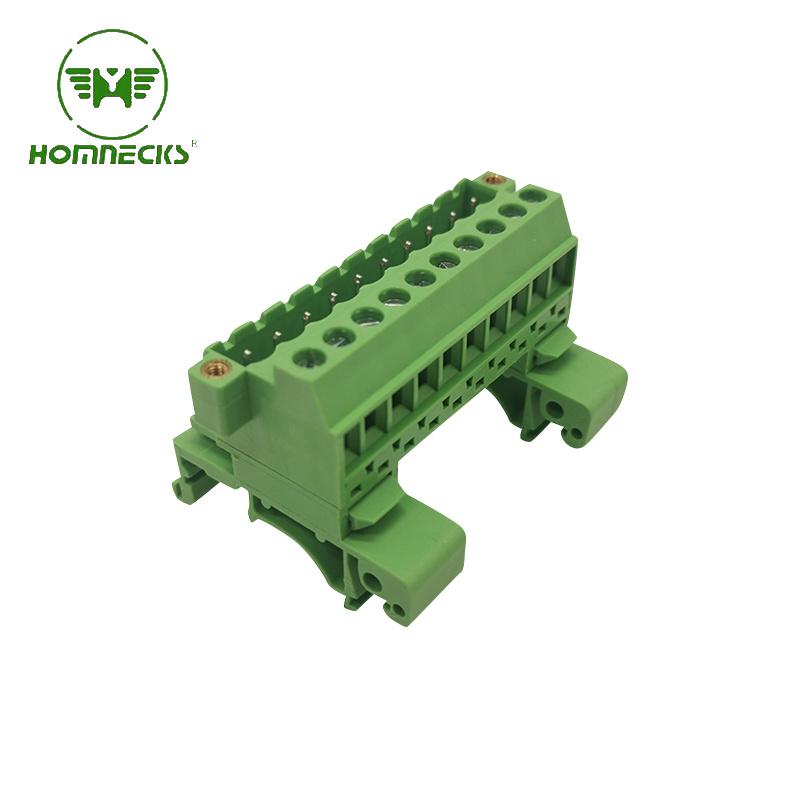
Brand:HOMNECKS Rail Plug-in type terminal block H2EUDBM-5.08
Details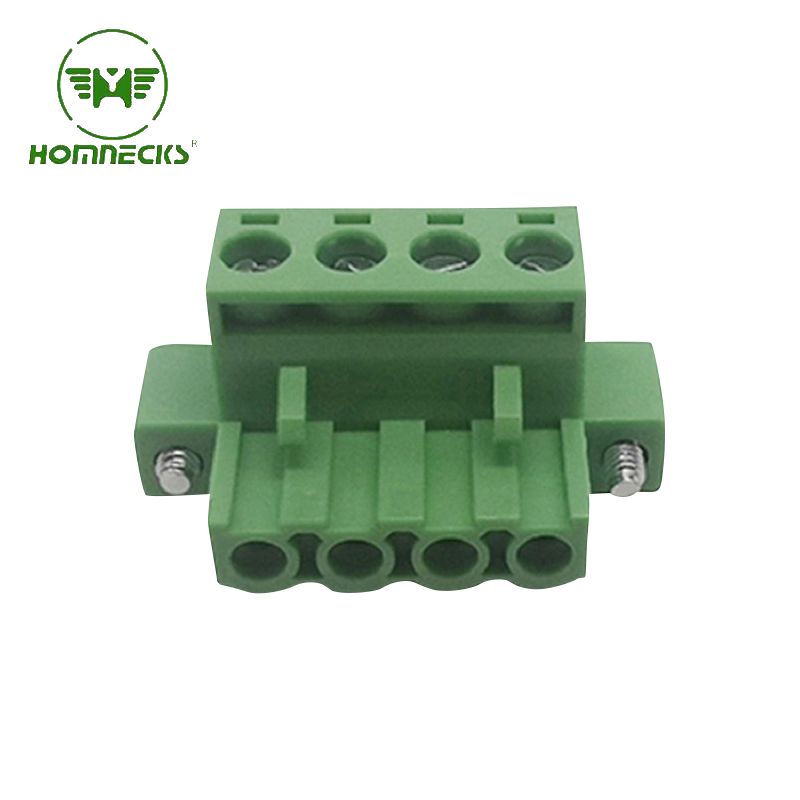
Brand:HOMNECKS Crafted with utmost precision, the housing is constructed from flame-retardant PA66 material, guaranteeing superior fire resistance. Complementing this, the metal components are expertly manufactured using copper plated with nickel, endowing the terminal with exceptional electrical conductivity.
Details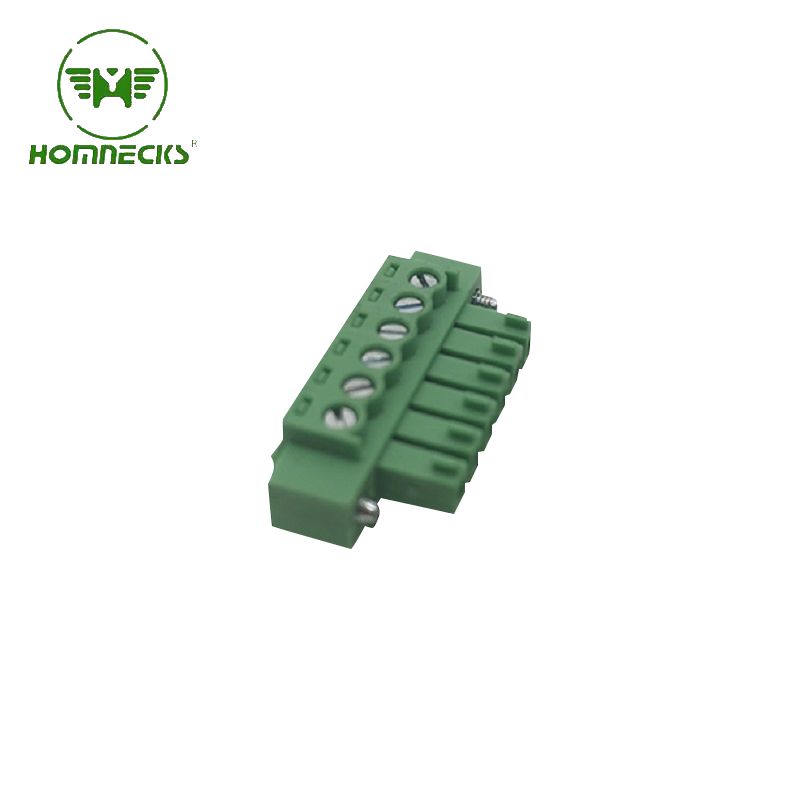
Brand:HOMNECKS Embrace professionalism and technical prowess with this phenomenal 3.81mm pitch PCB terminal. Take advantage of its remarkable features and unleash the full potential of your electronic endeavors. Experience excellence. Experience reliability. Experience progress.
Details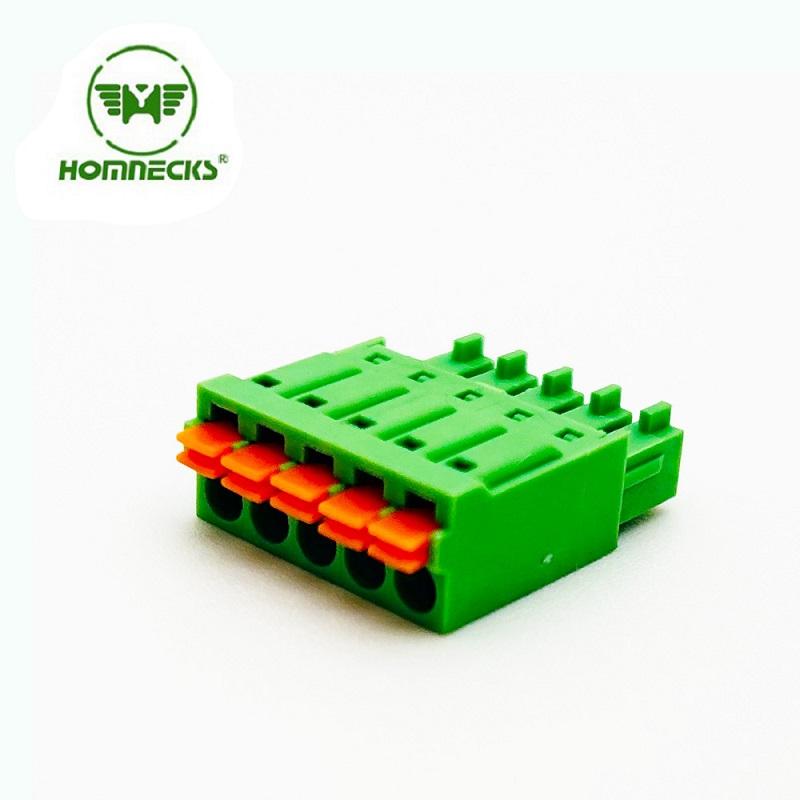
Brand:HOMNECKS 3.5mm pitch screw-less terminal connectors! Designed to optimize efficiency in your electrical projects
Details Contact Us
Signup our newsletter to get update information, promotion and insight.



 IPv6 network supported