English
 English
 Deutsch
 Español
 عربي
عربي हिंदी
हिंदी

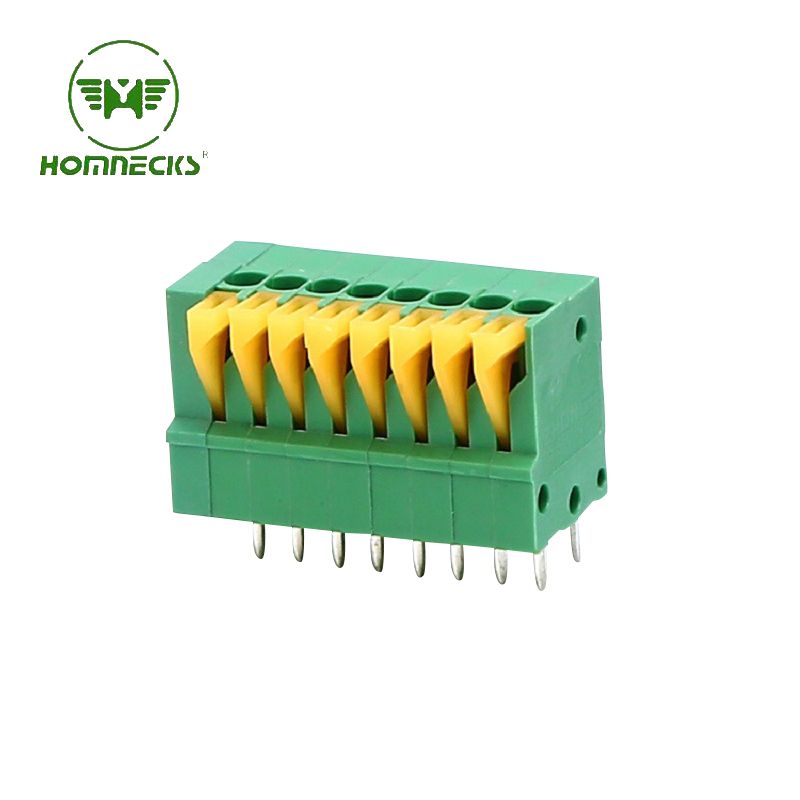
Brand:HOMNECKS
This terminal Block no longer uses traditional screws and screwing actions, but instead utilizes a pre-tensioned spring to clamp the wire. Its core is the cage spring or compression spring structure.
Item No :
H2EDGKD-2.5Payment :
T/TProduct Origin :
ChinaColor :
green ,we can also make other color if meet moqThis type of terminal block is a highly popular connection solution in industrial control, automation, and communication equipment. It perfectly combines the convenience of a pluggable header with the reliable, anti-vibration performance of a screwless spring connection.
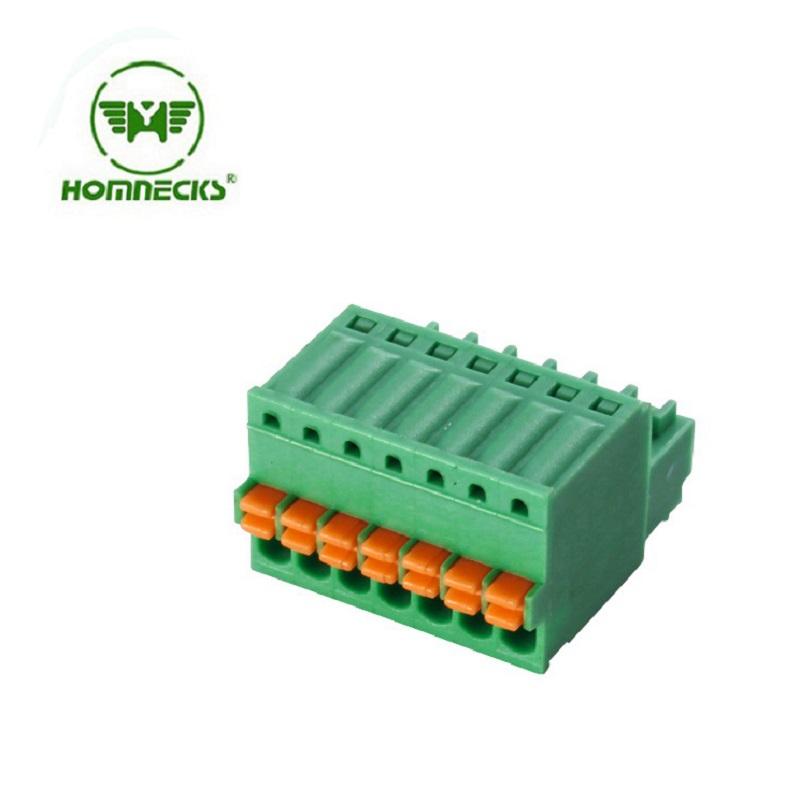
The wiring part of this terminal no longer uses traditional screws. Instead, it utilizes a pre-tensioned cage spring (compression spring) to clamp the wire securely. The section is composed of four key components:
Type: PCB Pluggable Spring Terminal Block
Available Poles:
| 2 pin terminal block | 3 pin terminal block | 4 pin terminal block | 5 pin terminal block | 6 pin terminal block | 7 pin terminal block |
| 8 pin terminal block | 9 pin terminal block | 10 pin terminal block | 11 pin terminal block | 12 pin terminal block | 13 pin terminal block |
| 14 pin terminal block | 15 pin terminal block | 16 pin terminal block | 17 pin terminal block | 18 pin terminal block | 19 pin terminal block |
| 20 pin terminal block | 21 pin terminal block | 22 pin terminal block | 23 pin terminal block | 24 pin terminal block |
Material & Mechanical Details
| Housing & Button | PA66, UL94V-0 |
| Reed (Spring) | Stainless steel |
| Contact | Copper alloy, Tin plated |
| Temp. Range | -40℃ ~ +105℃ |
| MAX Soldering | +250℃, for 5 Sec. |
| Strip Length | 8mm |
Electrical Parameters
| Rated Voltage | 150V (UL) / 130V (IEC) |
| Rated Current | 5A (UL) / 10A (IEC) |
| Wire Range | 24-20 AWG |
| Contact Resistance | 20mΩ (MAX) |
| Insulation Resistance | 500MΩ / DC500V |
| Withstanding Voltage | AC 1250V / 1 Min |
How to Wire (Fast & Simple):
Why Choose Screwless? (Key Advantages):

We choose high-quality and safe packaging materials to make sure your order won't be damaged during delivery. Acceptable trade terms include: EXW, FOB, CFR, CIF.

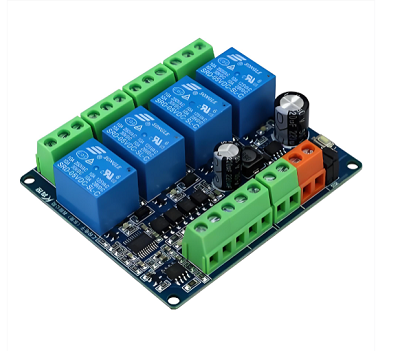
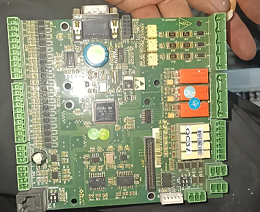
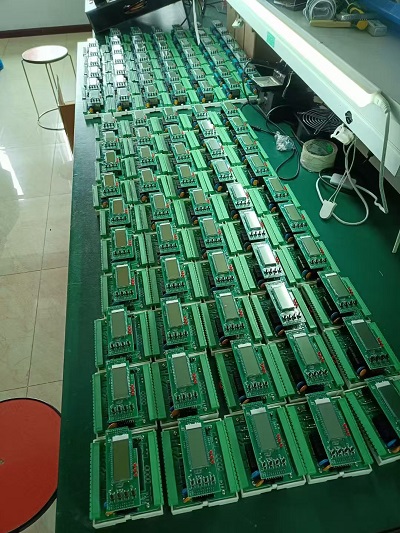
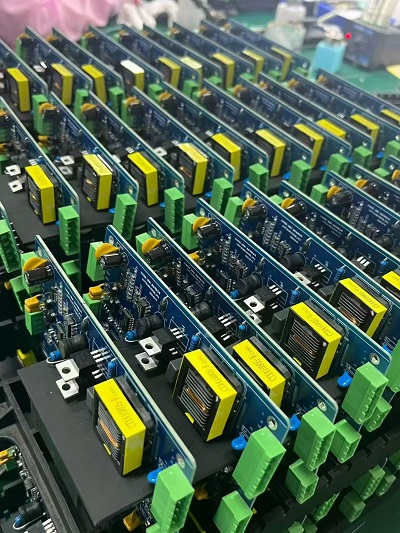
Q1: What are the typical use cases for 2.54mm KD push-in plug terminals in cabinet assembly?
A: The compact 2.54mm pitch saves PCB and enclosure space. KD push-in design removes the need for screwdrivers during wiring. They are mostly used for low-current signal links such as sensor inputs, small controller I/O, and panel internal wiring. It works exceptionally well for batch cabinet production to cut assembly time.
Q2: What wire sizes fit these 2.54mm KD push-in terminals? Do stranded wires need ferrules?
A: Standard models accept 24-20 AWG (0.14–0.75 mm²) conductors. Solid wires insert directly. Fine stranded wires should use crimp ferrules to prevent stray copper strands from causing shorts on the bench or inside cabinets.
Q3: Can KD push-in spring connections hold steady under vibration in control cabinets?
A: Yes, quality spring clips maintain a consistent clamping force. Unlike screw terminals, there is no risk of wrong torque from operators. For heavy continuous vibration applications, on-site pull testing is recommended before mass rollout. Ensure wires are fully pushed into the terminal.
Q4: Can 2.54mm KD push-in plugs mate with other brands’ sockets of the same pitch?
A: While the pin spacing is 2.54mm across brands, the spring structure, plug profile, and locking lugs differ between manufacturers. Cross-brand mating is not guaranteed. Always test fit with sample parts at the prototype stage before placing bulk orders.
Q5: What specs should engineers check first when selecting these KD push-in terminal plugs?
A: Start with the rated voltage and rated current. Check the insulation flame class and PCB pin dimensions. Review mating cycles if plugs will be disconnected often for maintenance. Keep in mind these are small signal terminals; do not apply them to power load circuits.
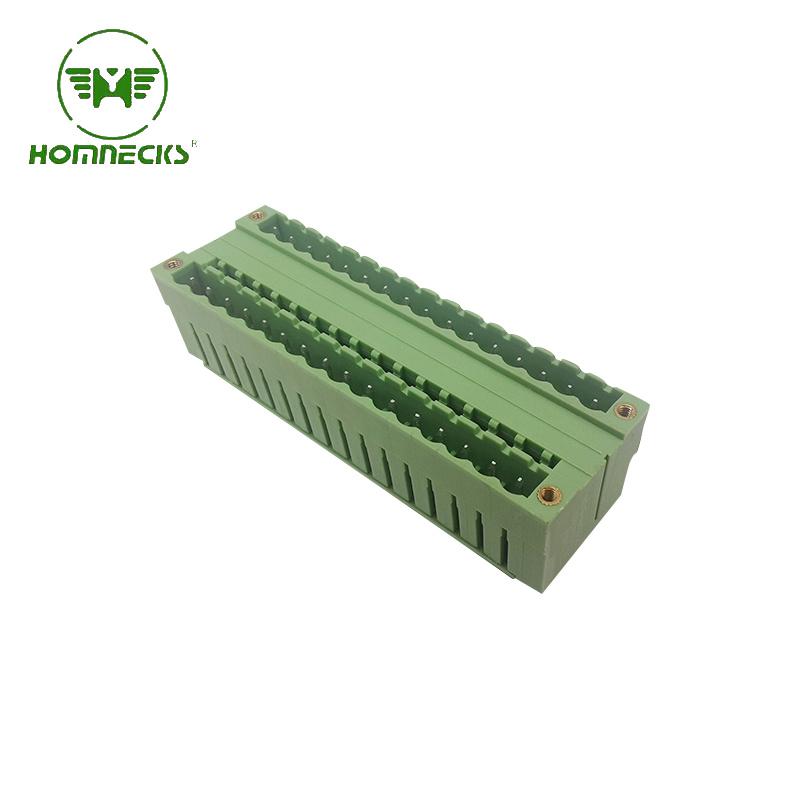
Brand:HOMNECKS Crafted with utmost precision and adhering to the highest industry standards, our 5.08mm Pitch Dual Row Straight Needle Terminal boasts exceptional reliability and durability. This makes it a perfect choice for your diverse range of electronic applications.
Details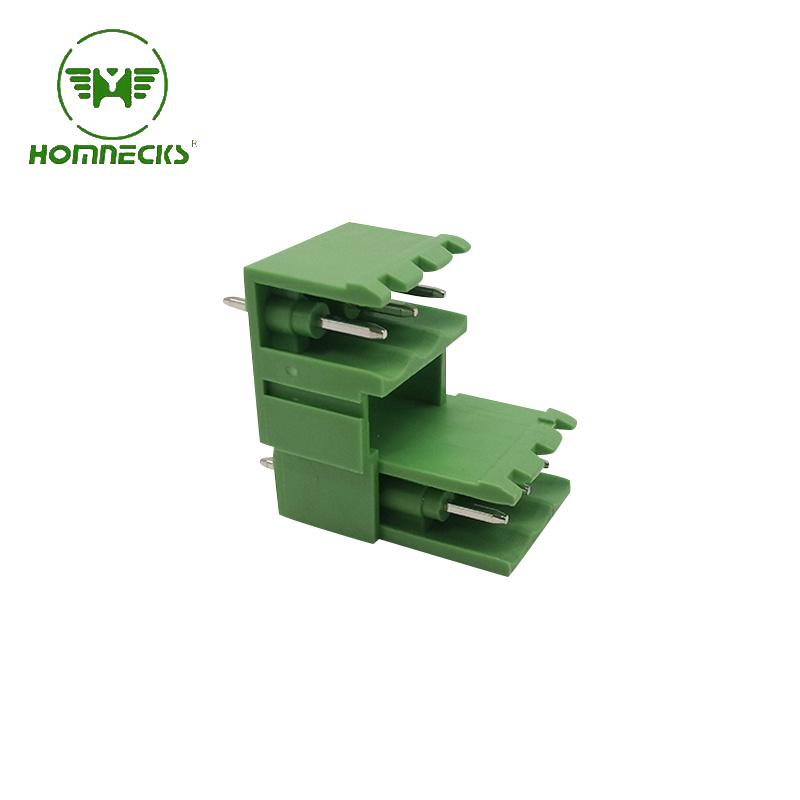
Brand:HOMNECKS 5.08 Dual Row Pluggable Straight Needle Terminal revolutionizes the way you operate in the world of electrical engineering.
Details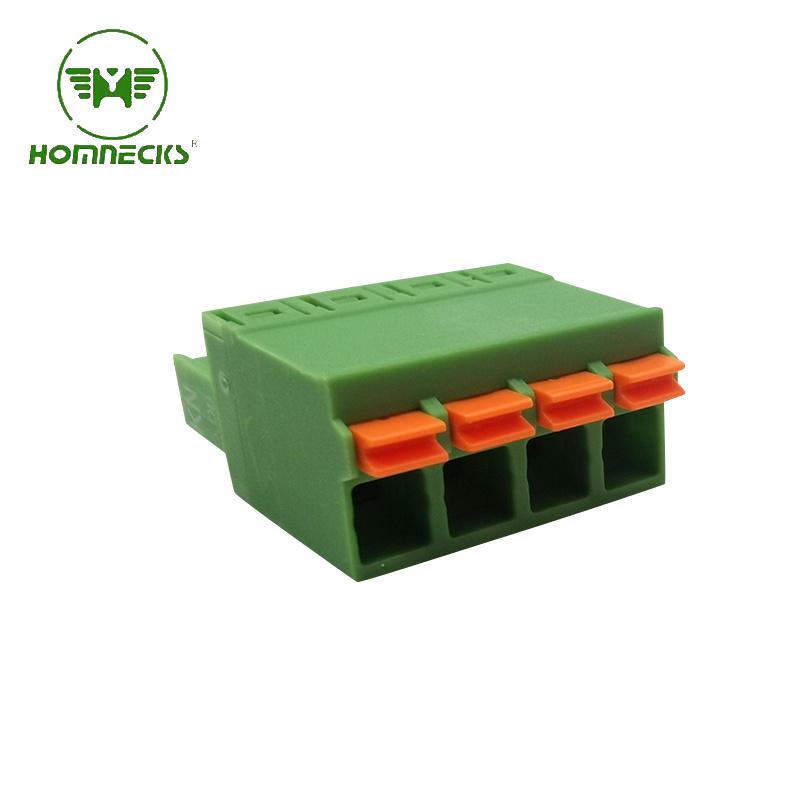
Brand:HOMNECKS Head for Pluggable Terminal Block , 5.08 Pitch,Screwless Numble Of Pole: we can make from 2P to 24P
Details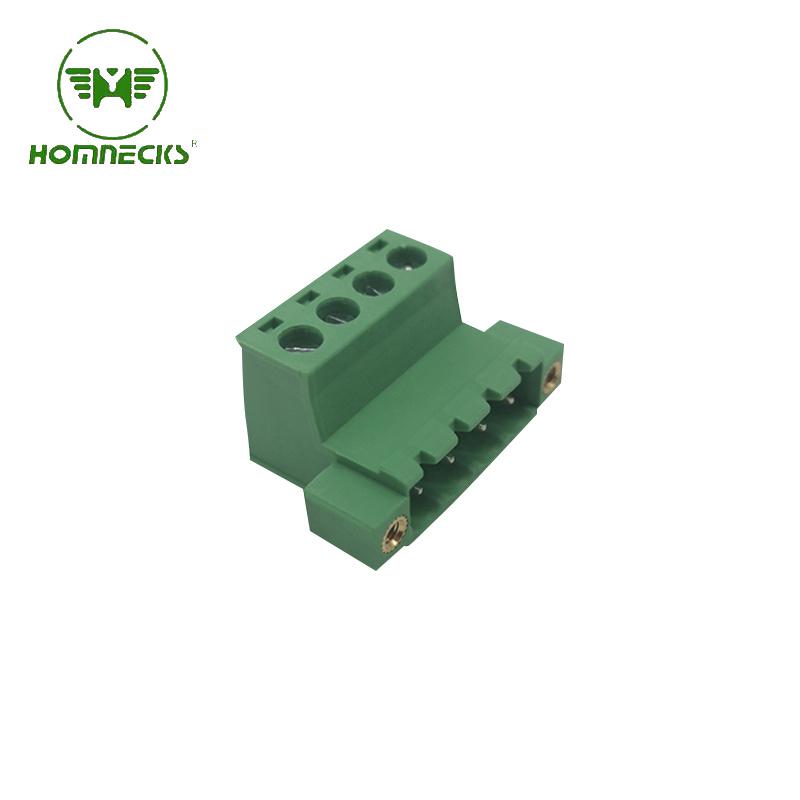
Brand:HOMNECKS 5.08 Pitch Pluggable Terminal Block Numble Of Pole: we can make from 2P to 24P
Details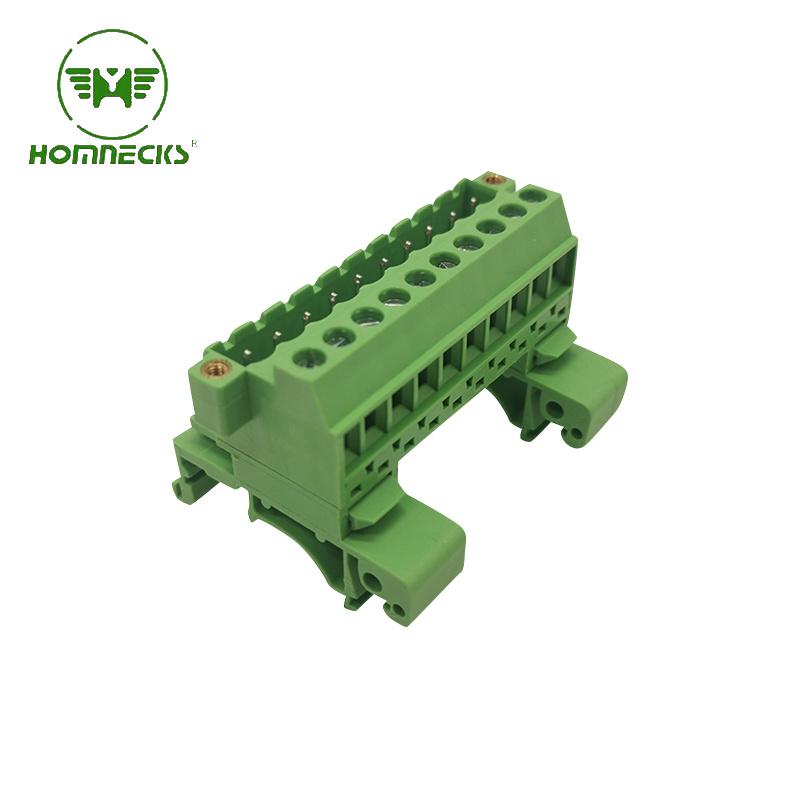
Brand:HOMNECKS Rail Plug-in type terminal block H2EUDBM-5.08
Details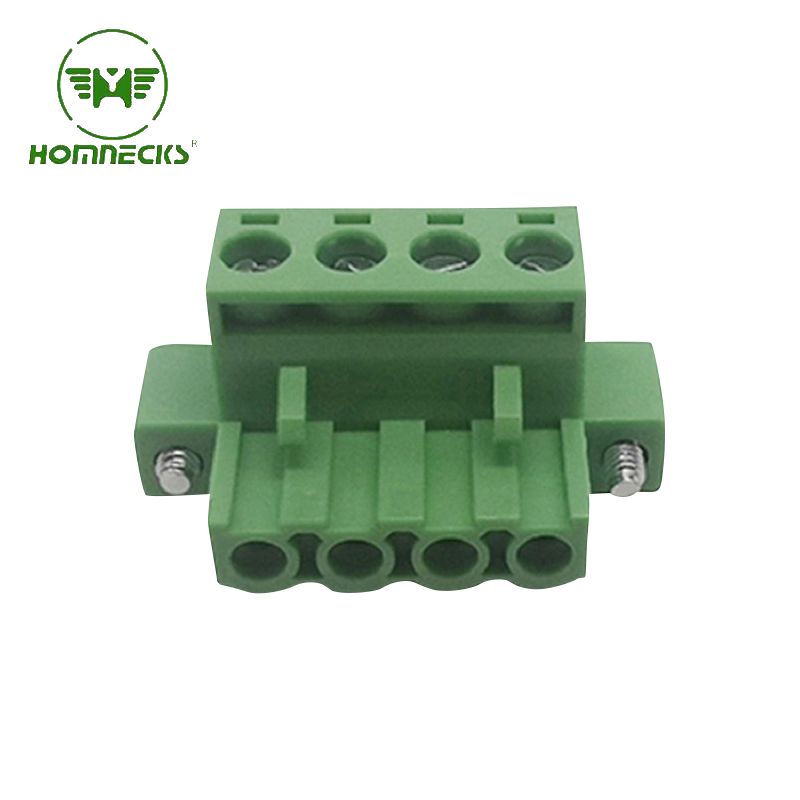
Brand:HOMNECKS Crafted with utmost precision, the housing is constructed from flame-retardant PA66 material, guaranteeing superior fire resistance. Complementing this, the metal components are expertly manufactured using copper plated with nickel, endowing the terminal with exceptional electrical conductivity.
Details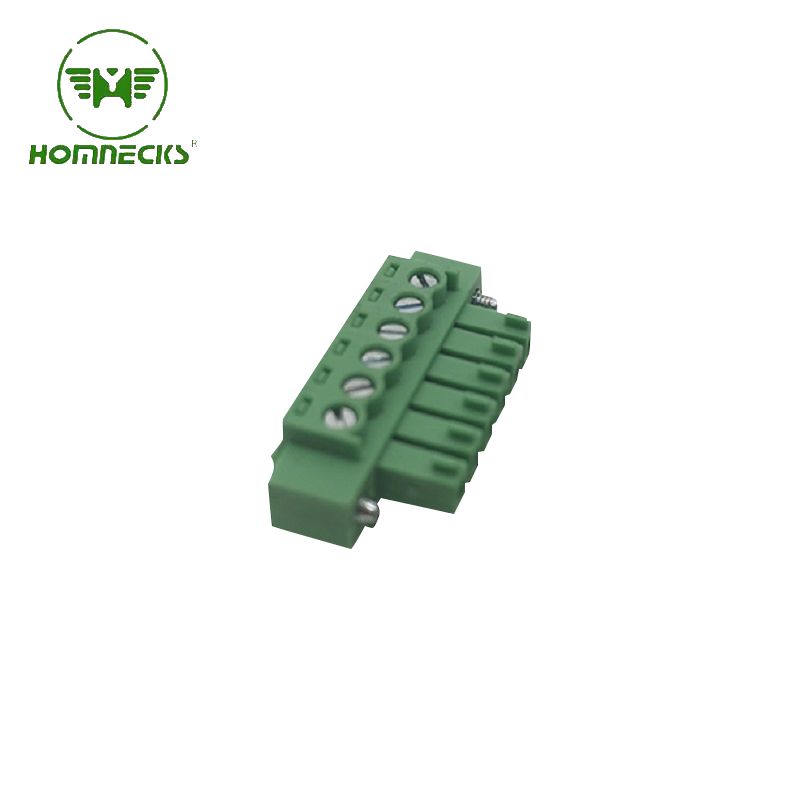
Brand:HOMNECKS Embrace professionalism and technical prowess with this phenomenal 3.81mm pitch PCB terminal. Take advantage of its remarkable features and unleash the full potential of your electronic endeavors. Experience excellence. Experience reliability. Experience progress.
Details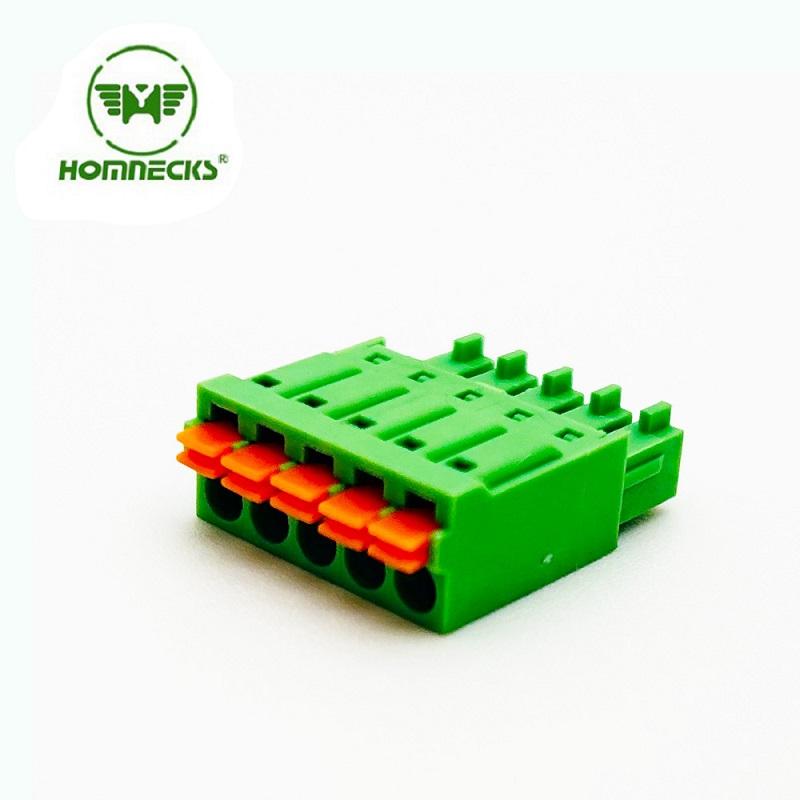
Brand:HOMNECKS 3.5mm pitch screw-less terminal connectors! Designed to optimize efficiency in your electrical projects
Details Contact Us
Signup our newsletter to get update information, promotion and insight.



 IPv6 network supported