English
 English
 Deutsch
 Español
 عربي
عربي हिंदी
हिंदी

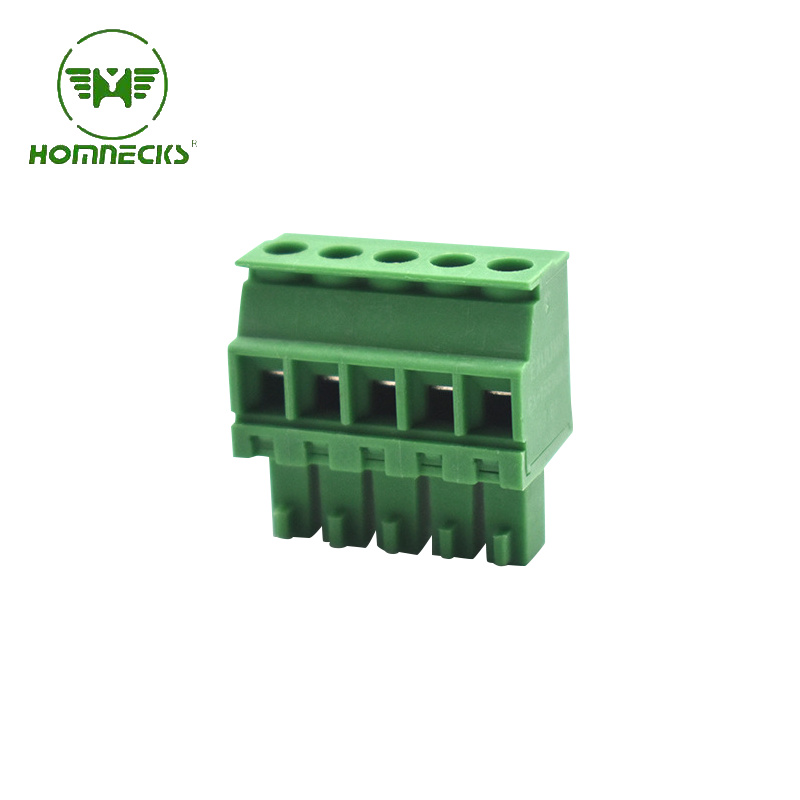
Terminal blocks are the backbone of every electrical control cabinet. They standardize wiring, secure circuit connections, and determine long-term panel reliability.
For equipment designers and procurement engineers, terminal block selection is not a minor detail. Picking the wrong type leads to loose connections, intermittent short circuits, extra maintenance labor, and unplanned machine downtime on production sites.
Four terminal block types dominate industrial cabinet wiring: screw, barrier, screwless push-in, and pluggable terminals. Each has unique mechanical traits, field pros and cons, and ideal application scenarios.
Many engineering teams default to standard screw terminals for all circuits. This one-size-fits-all habit creates hidden reliability risks and wasted budget.
This article uses real cabinet assembly and troubleshooting experience. It delivers plain-language comparisons, clear parameter tables, and practical selection rules for industrial B2B users.
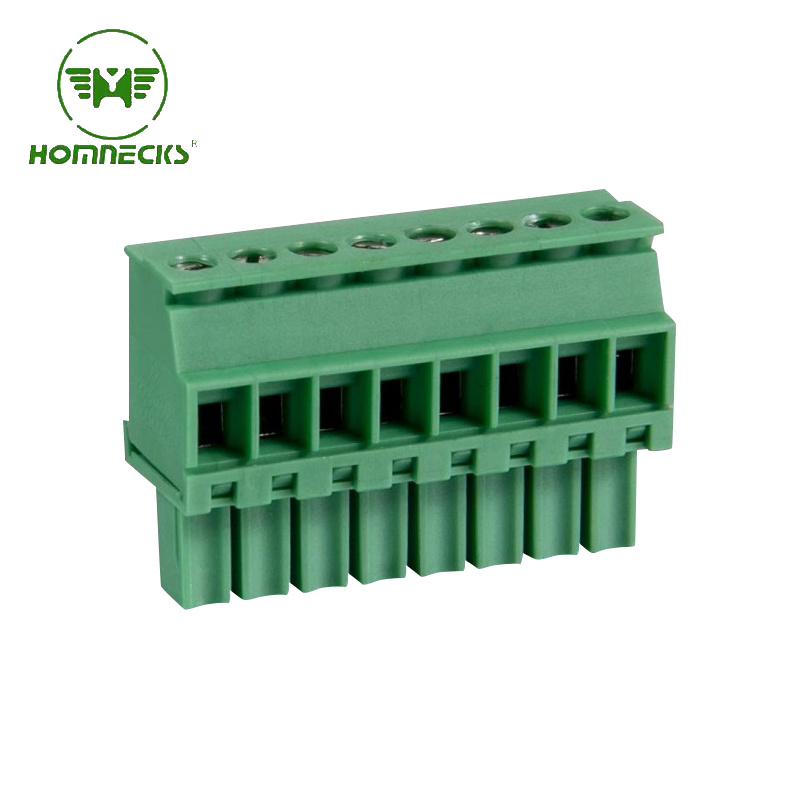
Quick Overview of 4 Industrial Terminal Block Types
Before diving into comparisons, we clarify the core positioning of each terminal from a field engineering perspective.
Screw Terminal Blocks: The industry universal baseline. Uses screw clamping to fix wires. Low cost and widely compatible for general control circuits.
Barrier Terminal Blocks: Upgraded screw terminals with independent insulating barriers. Prioritizes safety and anti-short-circuit performance for high-current power loops.
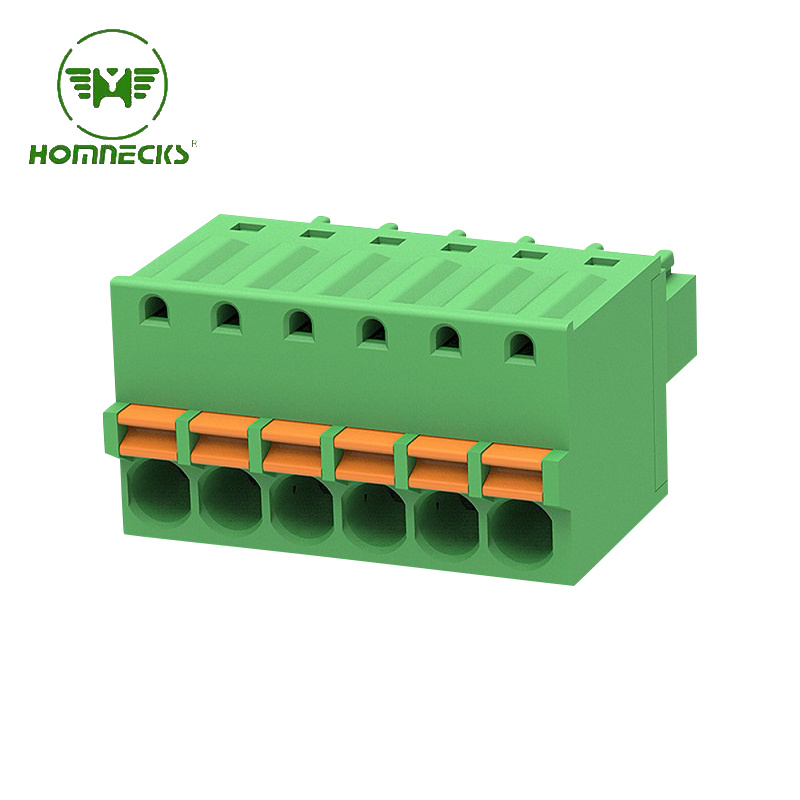
Screwless (Push-In) Terminal Blocks: Tool-free spring-clamp design. Built for fast batch wiring and consistent connection tension.
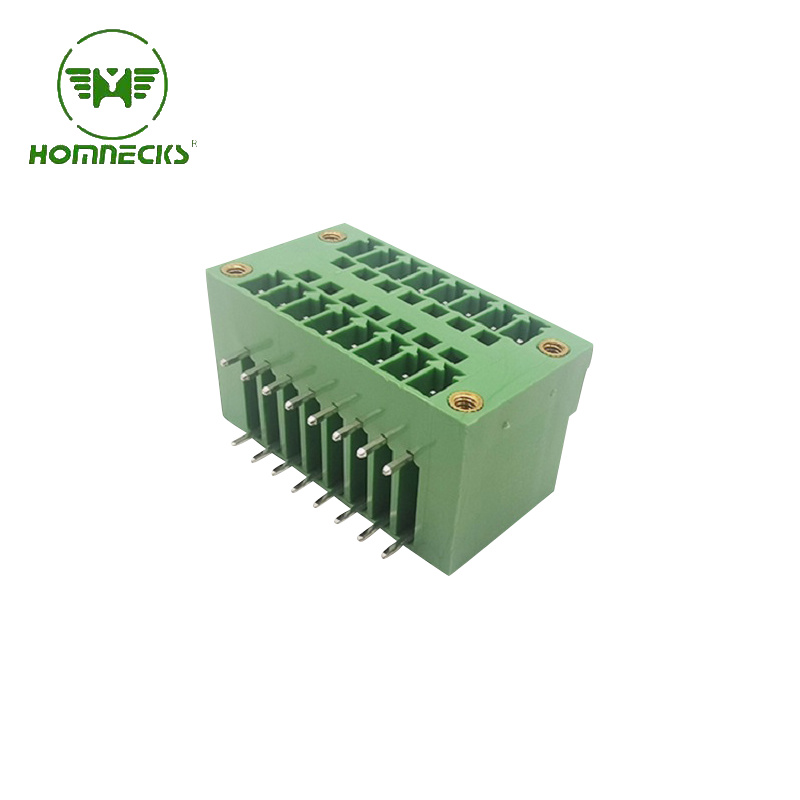
Pluggable Terminal Blocks: Split two-piece structure. Supports pre-wiring and fast module replacement for modular equipment.
Full Performance Comparison Table (4 Terminal Block Types)
This table compares core industrial indicators based on on-site cabinet operation data. It helps engineers and purchasers finish BOM selection quickly and accurately.
|
Evaluation Criteria
|
Screw Terminal
|
Barrier Terminal
|
Screwless Push-In Terminal
|
Pluggable Terminal
|
|---|---|---|---|---|
|
Connection Mechanism
|
Manual screw torque clamping
|
Screw clamping + independent barrier isolation
|
Constant-tension spring push-in
|
Detachable plug-and-play base
|
|
Vibration Resistance
|
Poor. Screws loosen gradually under long vibration
|
Excellent. Barriers limit wire drift, no cross-contact
|
Good. Spring force maintains stable clamping
|
Weak. Plug gaps cause poor contact in vibrating environments
|
|
Short Circuit Risk
|
Medium. Loose copper strands easily cross adjacent terminals
|
Very Low. Physical isolation blocks strand crossover
|
Low. Compact structure reduces exposed wire hazards
|
Medium. Improper insertion leads to open/short faults
|
|
Wiring Efficiency
|
Slow. Depends on manual torque adjustment
|
Moderate. Standard screw wiring process
|
Very Fast. Tool-free direct insertion
|
Fast. Pre-wired harness plug-in installation
|
|
Maintenance Difficulty
|
High. Dense wiring risks accidental line touching
|
Low. Single-circuit independent maintenance
|
Low. Fast single-wire replacement and testing
|
Very Low. One-step whole-module disassembly
|
|
Cost Level
|
Lowest (cost-effective baseline)
|
Medium (high safety return)
|
Medium-High (labor-saving premium)
|
Highest (modular customization cost)
|
Pros & Cons Cheat Sheet for Fast Selection
This simplified table focuses on field pain points. It helps procurement teams avoid over-specification or under-specification in bulk orders.
|
Terminal Type
|
Key Pros (Field Advantages)
|
Key Cons (Field Pain Points)
|
|---|---|---|
|
Screw Terminal Block
|
Universal compatibility, easy on-site repair, fits all wire gauges, zero learning cost for technicians, lowest procurement cost
|
Prone to vibration loosening, inconsistent manual torque, slow mass wiring, high hidden fault rate
|
|
Barrier Terminal Block
|
Physical anti-short protection, excellent dust and humidity resistance, stable for motor power loops, isolated single-circuit maintenance
|
Slightly larger installation space, no obvious advantage for low-current signal wiring
|
|
Screwless Push-In Terminal Block
|
Eliminates torque errors, fast batch assembly, stable spring clamping force, saves labor costs in mass production
|
Higher unit price, not ideal for ultra-high current heavy-duty power circuits
|
|
Pluggable Terminal Block
|
Supports pre-production wiring, rapid module replacement, zero on-site rewiring, simplifies equipment debugging and after-sales service
|
Poor vibration resistance, high failure rate on vibrating machinery, high upfront material cost
|
Practical Field Selection Rules (Engineer’s Standard Practice)
Based on years of cabinet assembly and after-sales troubleshooting, we summarize clear matching rules for different circuit scenarios.
Choose Barrier Terminals for mains input terminals, high-current power distribution, and motor control circuits. Prioritize them for cabinets installed on vibrating production lines, fans, and mechanical equipment.
Choose Screwless Push-In Terminals for large-scale low-current signal wiring, PLC signal terminals, and batch cabinet mass production projects to improve wiring efficiency.
Choose Pluggable Terminals for modular automated equipment, removable control modules, and equipment that requires frequent disassembly, transportation, and replacement.
Choose Standard Screw Terminals for static indoor ordinary control circuits and budget-sensitive projects to control overall costs.
FAQ for Terminal Block Type Selection
Q1: What is the biggest field difference between barrier terminals and standard screw terminals?
The core difference is active fault prevention. Standard screw terminals rely entirely on manual wiring quality. Loose strands or vibration displacement easily cause short circuits.
Barrier terminals add independent insulating baffles between every circuit. They physically block cross-contact faults. This solves most unexplained intermittent shutdowns in industrial vibrating scenarios, which is the biggest pain point of ordinary screw terminals on site.
Q2: Are screwless push-in terminals always better than screw terminals for modern cabinet production?
No. Screwless terminals excel at assembly speed and consistent clamping force, perfect for mass signal wiring.
But for high-current power loops and on-site maintenance scenarios with mixed-skill technicians, screw terminals are more reliable. They support visual inspection and manual torque correction, with stronger adaptability for complex field environments.
Q3: Can pluggable terminals replace barrier terminals for industrial power circuits?
Not recommended for high-reliability industrial power scenarios. Pluggable terminals have structural gaps in the plug interface. Long-term mechanical vibration will cause poor contact, signal interruption, and unstable power supply.
Barrier terminals adopt fixed panel installation and integrated anti-vibration structure. They provide stable physical isolation and connection safety, which pluggable structures cannot match for core power circuits.
 Contact Us
Signup our newsletter to get update information, promotion and insight.



 IPv6 network supported