Terminal blocks form the wiring backbone of electrical control cabinets. For panel builders and equipment procurement engineers, picking the right 2-pole terminal block directly impacts cabinet safety, assembly speed, and long-term machine uptime.
Many teams treat 2-pole terminals as simple commodity parts. They only check voltage and current ratings on datasheets and ignore real field conditions. Vibration, wire gauge mismatch, and poor clamping design often create hidden faults that show up months after delivery.
This practical guide draws from on-site cabinet wiring and troubleshooting experience. It breaks down key selection criteria, compares common 2-pole terminal types, and helps you avoid costly specification mistakes.
What Is a 2-Pole Terminal Block?
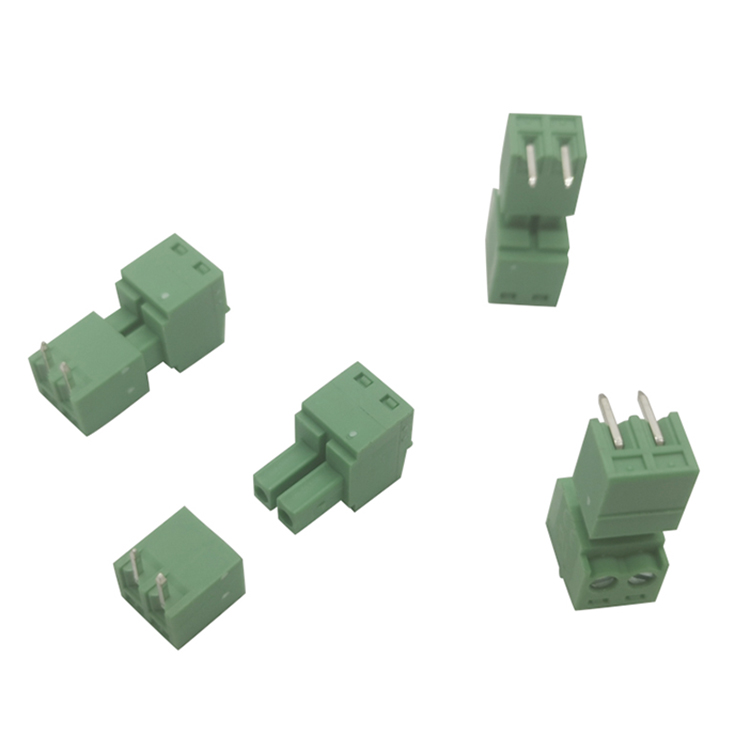
A 2-pole terminal block contains two independent connection points in one single housing. It handles paired circuits: live and neutral, DC positive and negative, or simple signal loops.
Field engineers rely heavily on these compact units. They save cabinet space and simplify wiring for small power supplies, sensors, solenoids and auxiliary control circuits. But not all 2-pole blocks perform the same under factory conditions.
2-Pole Terminal Block Types: Side-by-Side Comparison Table
This table compares the four most common styles used inside control cabinets. All metrics reflect real workshop performance.
Evaluation Item
Screw-Type 2-Pole Terminal
Barrier 2-Pole Terminal
Push-In Screwless 2-Pole Terminal
Pluggable 2-Pole Terminal
Connection Method
Screw clamping
Screw clamping + built-in isolation barrier
Spring push-in, tool-free
Detachable plug + base
Vibration Performance
Moderate. Screws can loosen over time
Excellent. Barriers stop wire strand cross-contact
Good. Constant spring tension
Poor. Vibration causes intermittent contact
Short-Circuit Risk
Medium. Loose copper strands may bridge poles
Very low. Physical partition separates 2 poles
Low. Closed housing limits exposed wire
Medium. Partial insertion risks short faults
Wiring Speed
Slow, needs torque control
Moderate, standard screw work
Fast, direct wire insertion
Fast, pre-wired harness plug-in
Maintenance
Medium. Must isolate both poles carefully
Low. Isolated poles simplify single pole work
Low. Quick wire removal
Very low. Swap whole plug in seconds
Typical Use
General indoor control circuits
Mains pair wiring, high vibration cabinets
Mass signal wiring, high-volume panel build
Modular sensors, removable equipment modules
Relative Cost
Low
Medium
Medium-high
High
Pros & Cons Quick Reference Table
Use this simple table to quickly screen options during BOM review.
Terminal Type
Key Pros
Key Cons
Screw-Type 2-Pole Terminal
Low cost, works with all wire sizes, easy field repair, widely stocked
Manual torque errors, risk of loosening under vibration, slow bulk wiring
Barrier 2-Pole Terminal
Built-in isolation between poles, higher creepage distance, safe for AC mains pairs
Larger footprint, slightly higher material cost
Push-In Screwless 2-Pole Terminal
No screwdriver needed, consistent clamping force, fast assembly
Higher unit price; less common for very thick high-current cables
Pluggable 2-Pole Terminal
Fast module swap, simple factory pre-wiring
Weak vibration resistance, expensive, not ideal for permanent power circuits
Core Selection Criteria from Field Engineering View
1. Match rated voltage and creepage distance first
Do not only look at current rating. For AC paired circuits, creepage and clearance between the two poles matter most. In dusty or humid workshops, insufficient isolation can lead to tracking and arcing.
2. Check wire gauge compatibility
A common site mistake: buying 2-pole terminals that only accept solid wire, then using stranded cable. Stranded wires without ferrules can fray and create loose connections. Confirm if the terminal supports stranded, solid or flexible wire before ordering.
3. Assess vibration levels of your cabinet location
Cabinets mounted near motors, conveyors or fans need extra protection. Standard screw 2-pole terminals may loosen over time. Barrier or screwless spring designs are better choices for vibrating environments. Pluggable versions should be avoided here.
4. Consider assembly volume and labor budget
For low-volume custom panels, screw terminals keep total project cost down. If you build hundreds of cabinets monthly, screwless 2-pole blocks cut wiring labor significantly.
FAQ for 2-Pole Industrial Terminal Block Selection
Q1: Can I use a standard screw 2-pole terminal for mains live-neutral wiring?
A: It is possible for static indoor cabinets. But standard 2-pole screw terminals have no partition between poles. If stranded wire strands escape, they can create a direct short. For mains pairs, barrier-style 2-pole terminals offer much better safety margin.
Q2: What is the main benefit of push-in screwless 2-pole blocks for panel manufacturing?
A: They remove manual torque inconsistency. Every wire gets the same spring clamping force. Assembly teams work faster, and you reduce field failures caused by over-tightened or under-tightened screws. This is valuable for mass cabinet production.
Q3: Are pluggable 2-pole terminals suitable for permanent power wiring inside control cabinets?
A: Not recommended. The plug interface has contact gaps. Continuous mechanical vibration can cause fluctuating resistance and intermittent power loss. Pluggable 2-pole terminals work best for signal connections or modules that need regular removal.
In modern industrial applications, servo control systems play a crucial role in precise motion control. To ensure the seamless operation of these systems, the proper wiring and connection of components are essential. One vital component that facilitates reliable and efficient connections is the 2 pole terminal block. In this article, we will explore the significance of 3 pin terminal block and their role in safeguarding the smooth operation of servo control systems.
A 2 pole terminal block acts as a bridge between the control system and various devices, enabling secure and dependable electrical connections. It provides the necessary interface for power transfer, signal transmission, and control within the servo control system. Whether it is connecting motors, sensors, or other components, 2 pin screw connector ensures optimal performance and minimizes the risk of signal loss or disconnection.
The adaptability of a terminal block 2 pole makes it suitable for a wide range of applications. With its design supporting screw connectors, 2 pin screw terminal provides a secure and stable connection, ensuring the integrity of the electrical circuit. Additionally, the inclusion of 2 poles enables the connection of multiple devices or circuits, enhancing flexibility in system configuration and expansion.
Terminal blocks play a vital role in simplifying wiring and installation processes, reducing downtime and improving efficiency. In the case of 2 way terminal block , their user-friendly design and intuitive connection interface make installation quick and hassle-free. The secure screw terminals ensure reliable connections even in demanding industrial environments, preventing the risk of loose or disconnected wires.
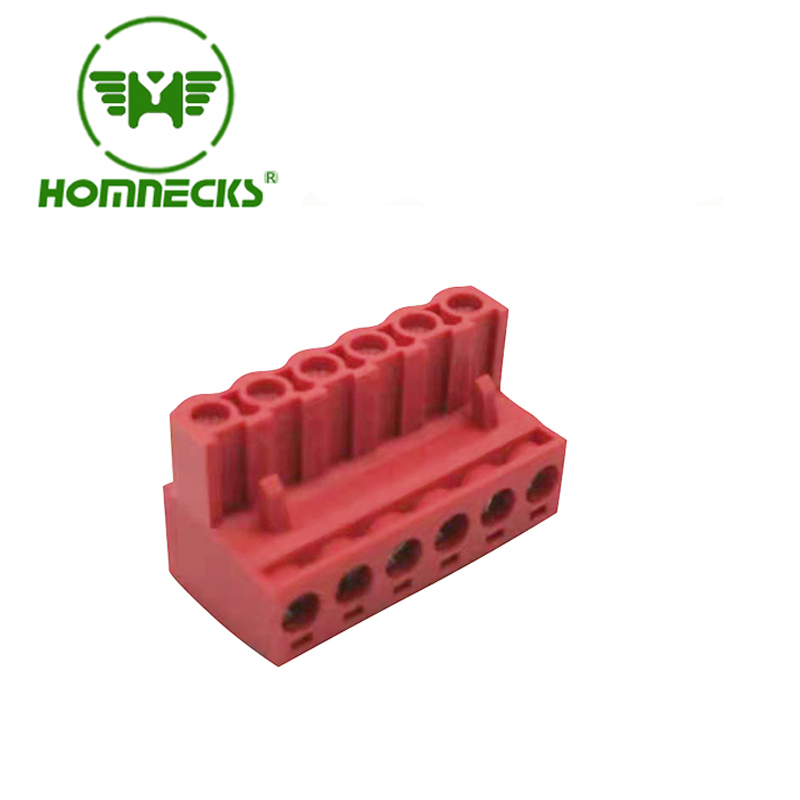
When it comes to high-quality 2 pole terminal blocks, HONG YI-HOMNECKS stands out as a reliable manufacturer and supplier. Their extensive range of PCB terminal blocks, including 3 pin terminal blocks and 2 pole terminal blocks, ensures seamless connectivity in servo control systems. With a commitment to providing superior products, HONG YI-HOMNECKS offers durable and reliable solutions that guarantee the smooth operation of your applications.
In summary, 2 pole terminal blocks play a vital role in ensuring the smooth operation of servo control systems. Their versatility, reliability, and ease of installation make them an indispensable component for establishing secure electrical connections. When looking for trusted solutions, HONG YI-HOMNECKS+PCB Terminal Blocks provide effective and reliable options backed by their commitment to quality and service.
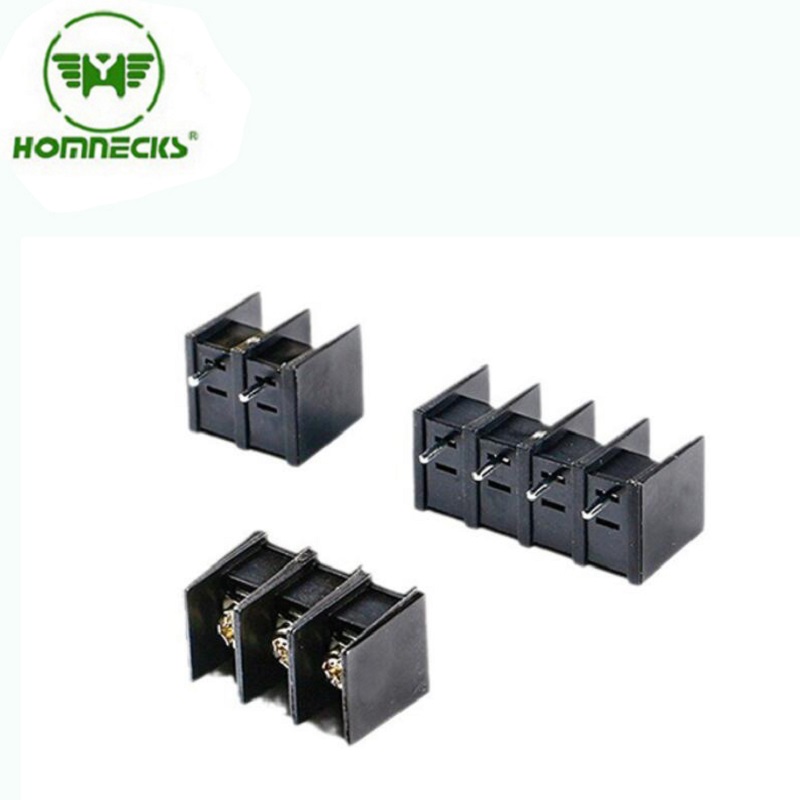
Advantages of barrier terminal blocks:1. Convenience: Barrier terminal blocks use spring clamps to secure wires, eliminating the need for screws or tools. This makes installation and maintenance quick and easy, saving time and labor costs.2. Electrical Performance: Barrier terminal blocks have large contact points, providing a reliable connection with excellent conductivity. This results in stable connections, lower contact resistance, and reduced temperature rise.3. Safety and Reliability: Barrier terminal blocks have strong resistance to shocks and vibrations, ensuring safety and reliability in various environmental conditions.Disadvantages of barrier terminal blocks:1. Higher Cost: Compared to traditional screw-type terminal blocks, barrier terminal blocks are more expensive and may not be as easily repairable.2. Limited Accessories: Barrier terminal blocks may have fewer accessories compared to screw-type terminal blocks, making it difficult to interchange between different brands and specifications.In comparison to traditional screw-type terminal blocks, barrier terminal blocks offer easier installation, superior electrical performance, and higher cost. Despite the higher price, barrier terminal blocks provide more reliable and efficient connections.If you have any further questions or would like to discuss this topic in more detail, please feel free to reach out.
 English
 English
 Deutsch
 Español
 عربي
عربي हिंदी
हिंदी

 Contact Us



 IPv6 network supported