Sourcing electronic parts for industrial manufacturing? Its a big deal.Pluggable PCB terminal blocks are one of the most important components.They balance stable wire connections and easy maintenance—quick to disconnect when you need to fix things.
But there are hundreds of suppliers out there.Finding a reliable pluggable PCB terminal block factory?Super confusing, right?
If you’re stuck on how to choose plug-in terminal blocks,this guide tells you what to look for when picking a manufacturing partner.
1. Check material quality + customization ability
When you’re looking for a direct terminal block factory for wholesale,don’t just go for the cheapest price. Don’t do it.
Good factories use high-grade copper alloy for the contacts.And flame-retardant plastic—like PA66 that meets UL94V-0—for the housing.
Your project might need a specific pitch, color, or silk screen.A good custom pluggable PCB terminal blocks supplier?They have their own R&D and mold departments.So they can handle those custom needs. No hassle.
2. How wide and deep is their product line?
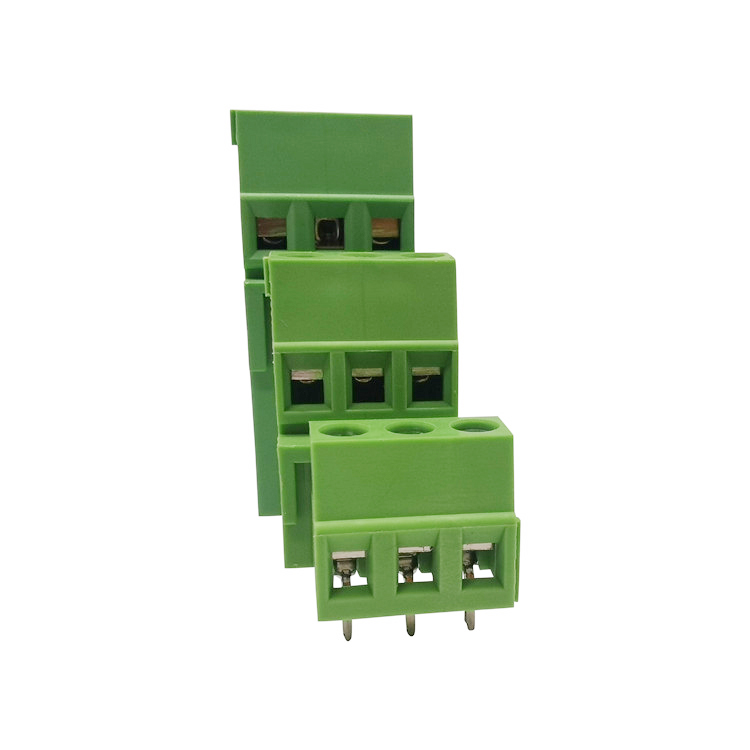
Top manufacturers have a variety of products.For different engineering uses, you know?From standard PCB mount terminal block headers,to high current pluggable terminal blocks for high-power equipment.
A full product line means they have mature production processes.And real technical experience—no fly-by-night operation.
3. Skip middlemen, work directly with the factory
A lot of companies accidentally buy from trading companies, not the actual factory.Bad idea.
Choose a good China PCB mount terminal block manufacturer directly.You’ll get smoother communication.Stricter quality control.And factory-direct prices.That cuts your BOM cost a lot. A real money-saver.
Why Homnecks is your go-to manufacturing partner
Looking for a supplier that checks all these boxes?It takes forever.
But at Homnecks? We’re a leading terminal block factory.We care about quality and innovation—seriously.We make tough, durable pluggable PCB terminal blocks and plug-in terminal blocks.For customers all over the world.
We have our own testing lab. Automated production lines.And prices that are hard to beat.We keep your supply chain running smoothly.And your products working perfectly.
Contact Homnecks’sales team today.Get a competitive quote. Or a custom solution for your specific PCB design.
When designing complex electronic systems, installation speed matters a lot.
So does long-term maintenance convenience.
They are just as critical as the electrical connection itself.
That’s exactly why pluggable terminal blocks are so popular.
Engineers and procurement teams rely on them every single day.
This guide walks you through their core benefits, common uses, and selection tips.
All to help you optimize your next project.
What exactly is a pluggable terminal block?
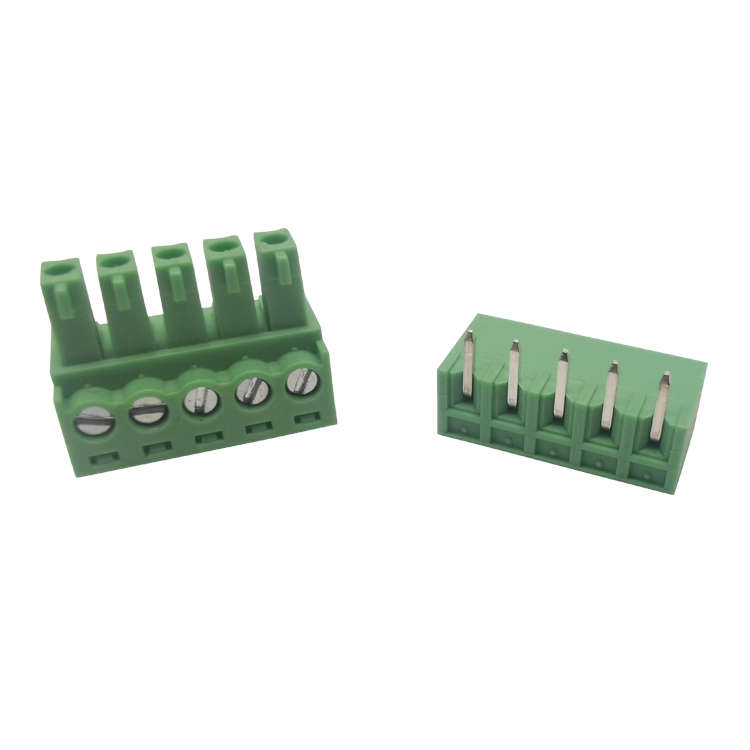
It’s a two-part connection system, super simple.
One part is the header, soldered firmly onto your PCB.
The other is the plug, where all wires get connected.
Unlike fixed terminal blocks, you don’t need to unscrew wires one by one.
You just plug in or unplug the whole connector in seconds.
Maintenance becomes way easier.
Key benefits for industrial use
1. Way faster maintenance
Plug-and-play is the biggest advantage here.
If a board or device fails, technicians don’t need to rewire everything.
Just unplug, replace the faulty module, plug it back.
Downtime drops significantly.
Especially helpful for high-risk industrial working environments.
2. Perfect for dense wiring layouts
Modern electronics keep getting smaller and more compact.
Pluggable terminals come with multiple pitch options.
3.81mm, 5.08mm and more standard sizes are widely used.
They support high-density wiring without sacrificing electrical safety.
3. Great vibration resistance
Quality pluggable terminals have reliable locking structures.
Flange or screw locking options work really well.
Even in heavy vibration scenarios — railway systems, heavy machinery, and so on —
the connections stay stable and tight all the time.
Common application scenarios
Pluggable terminal blocks are extremely versatile.
You can find them in many industries:
• Industrial automation: PLC equipment, motor control, sensor modules
• HVAC systems: control panels and thermostat wiring
• Energy sector: solar inverters and energy storage devices
• Telecommunications: base stations and network control cabinets
How to choose the right pluggable terminal block
When sourcing from reliable manufacturers, focus on these key points:
Pitch size: Make sure the pin pitch matches your PCB layout perfectly.
Rated current & voltage: Confirm it can handle your system’s actual load.
AWG wire gauge: Check compatibility with solid wires or stranded wires.
Wire entry direction: Choose vertical, horizontal or angled headers based on your space limits.
FAQs
Q1: What’s the difference between fixed and pluggable terminals?
A fixed terminal block stays soldered on the PCB permanently. You have to detach every wire manually during maintenance.
Pluggable types have two separate parts. You can disconnect all wires at once by simply unplugging the connector.
Q2: Can pluggable terminals be used for high-current projects?
Absolutely. High-current pluggable terminals adopt thickened contacts and durable materials.
They handle heavy loads steadily, ideal for power distribution and energy storage systems.
Q3: Do you support custom pitch sizes?
Yes, we do. As a direct factory, we offer standard pitches like 3.5mm and 5.08mm.
We also provide fully customized solutions to fit your unique PCB design requirements.
 English
 English
 Deutsch
 Español
 عربي
عربي हिंदी
हिंदी

 Contact Us



 IPv6 network supported